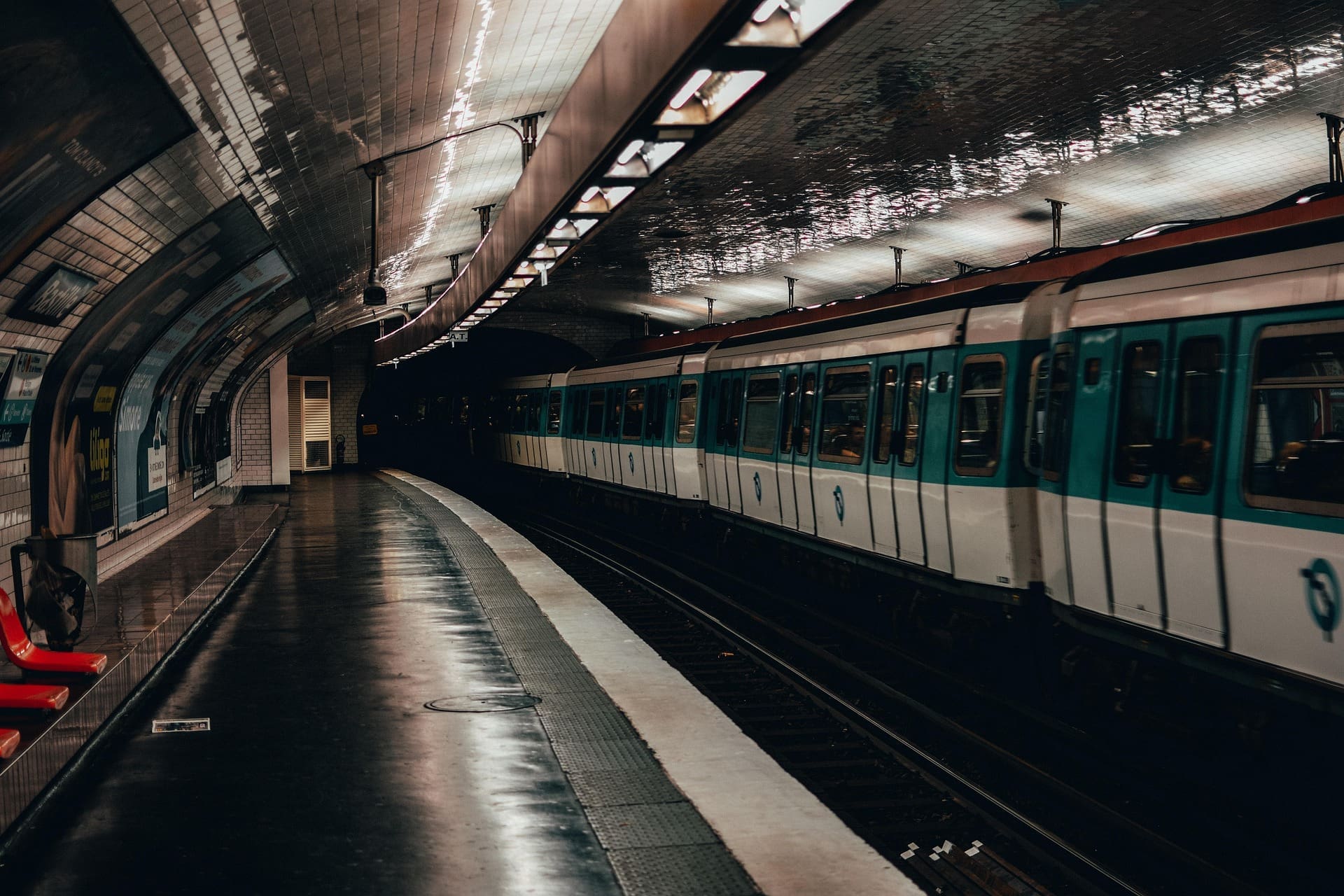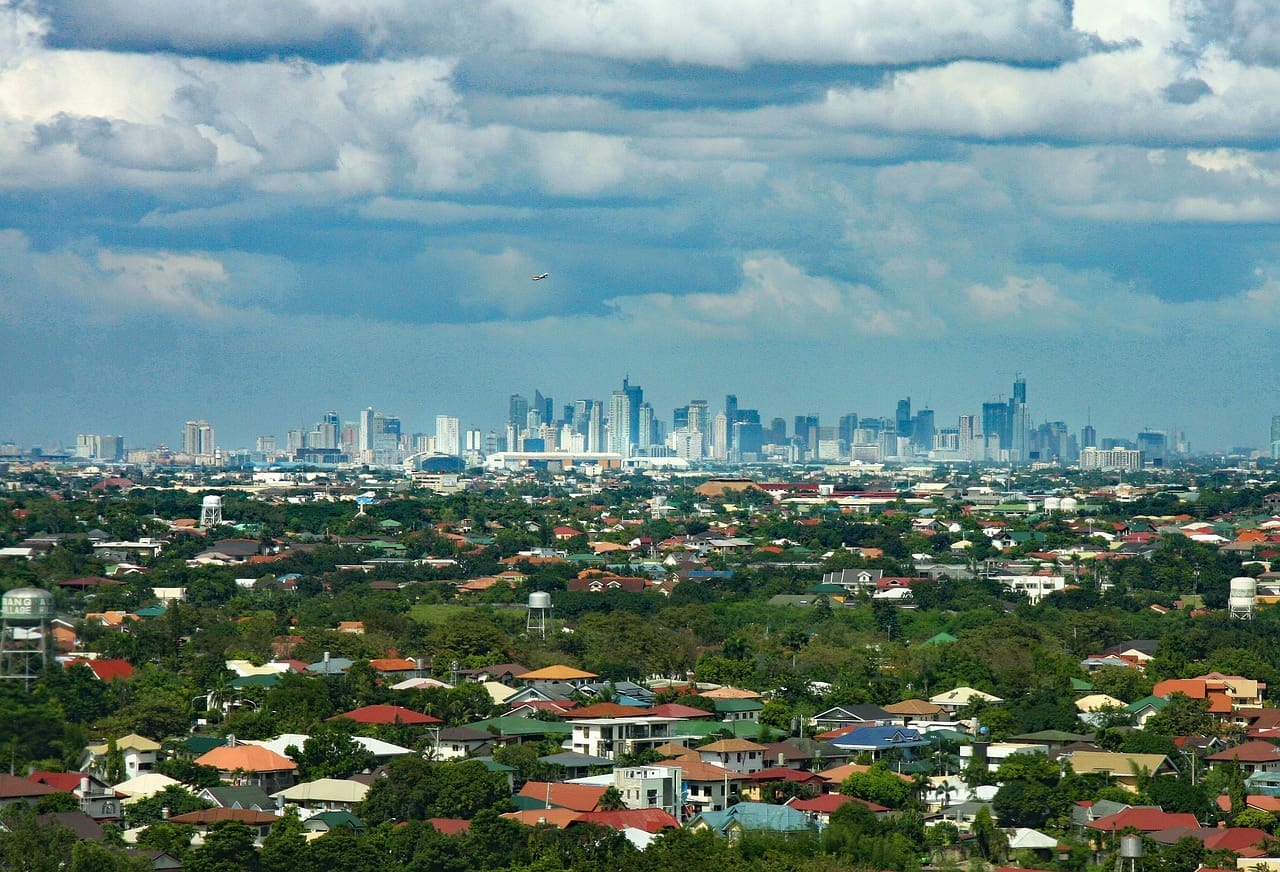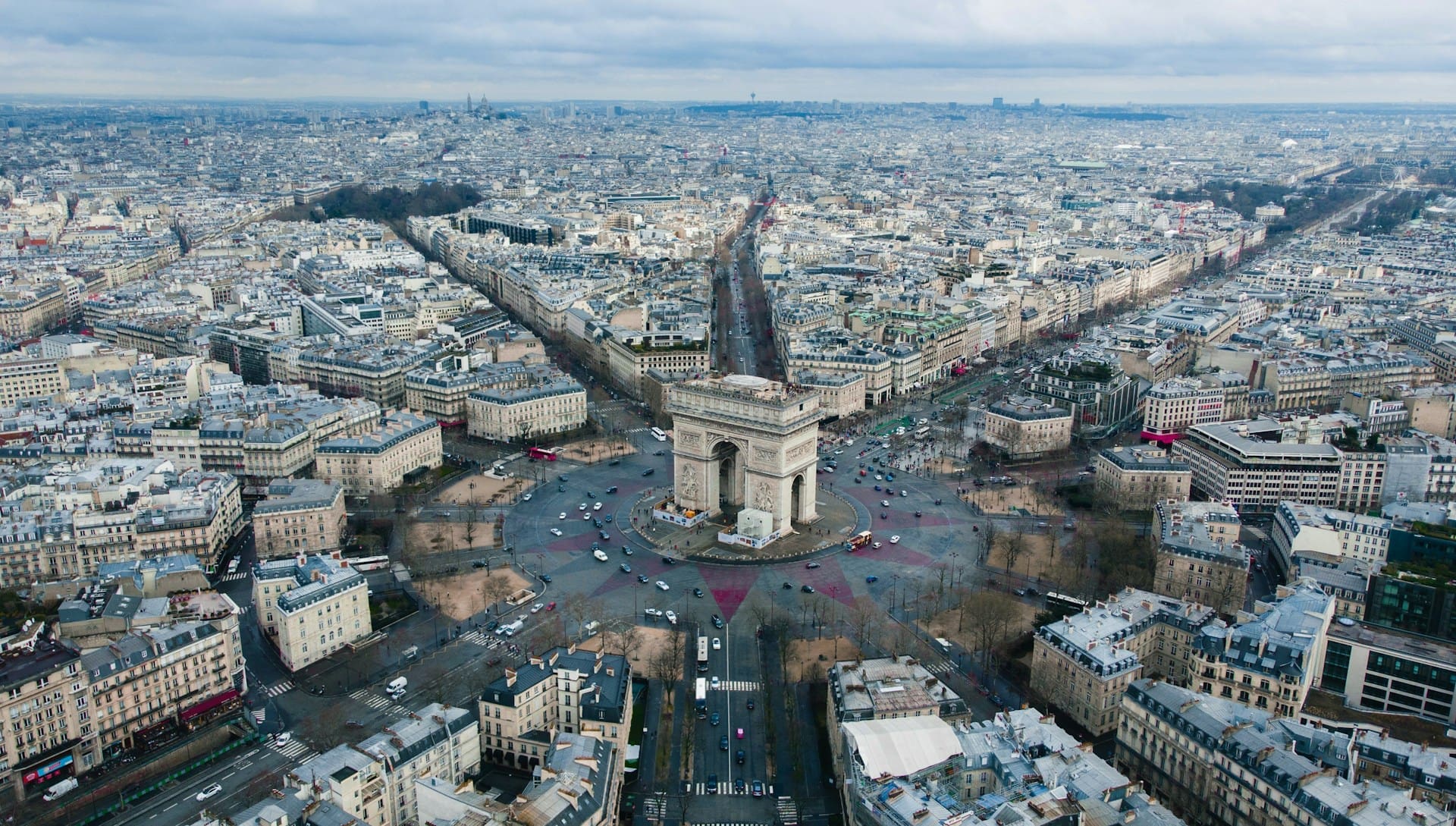

In the face of rapid urbanization and the pressing need for environmental sustainability, major cities worldwide are redefining the future of housing and urban planning. Emerging urban planning trends focus on creating eco-friendly, resilient, and livable spaces that can withstand the challenges of the 21st century.
This article explores seven specific future trends that are shaping the landscape of sustainable housing and urban planning.
Green Roofs and Vertical Gardens
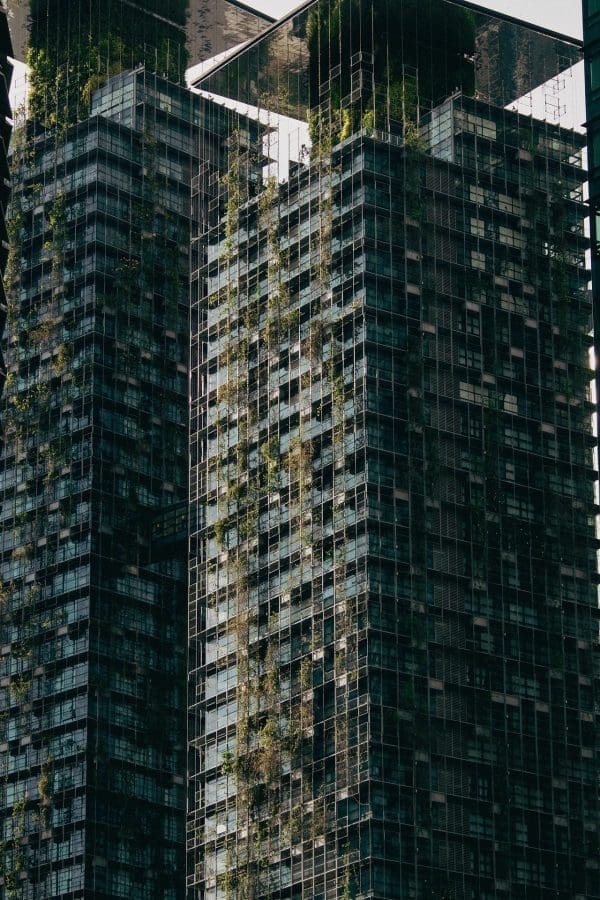
Green roofs and vertical gardens are becoming integral components of sustainable urban development. Toronto, Canada, for instance, has been a pioneer in green roof implementation. The city enacted a bylaw in 2009 requiring new buildings to devote a percentage of their roof space to vegetation. This initiative not only enhances the city’s aesthetics but also promotes energy efficiency and stormwater management.
In Singapore, where land scarcity is a significant challenge, vertical gardens have become a staple in urban architecture. The Gardens by the Bay project features towering Supertrees covered in vegetation, serving both aesthetic and environmental purposes. These vertical gardens contribute to cooling the surrounding areas, fostering biodiversity, and creating a unique urban oasis.
Net-Zero Energy Buildings
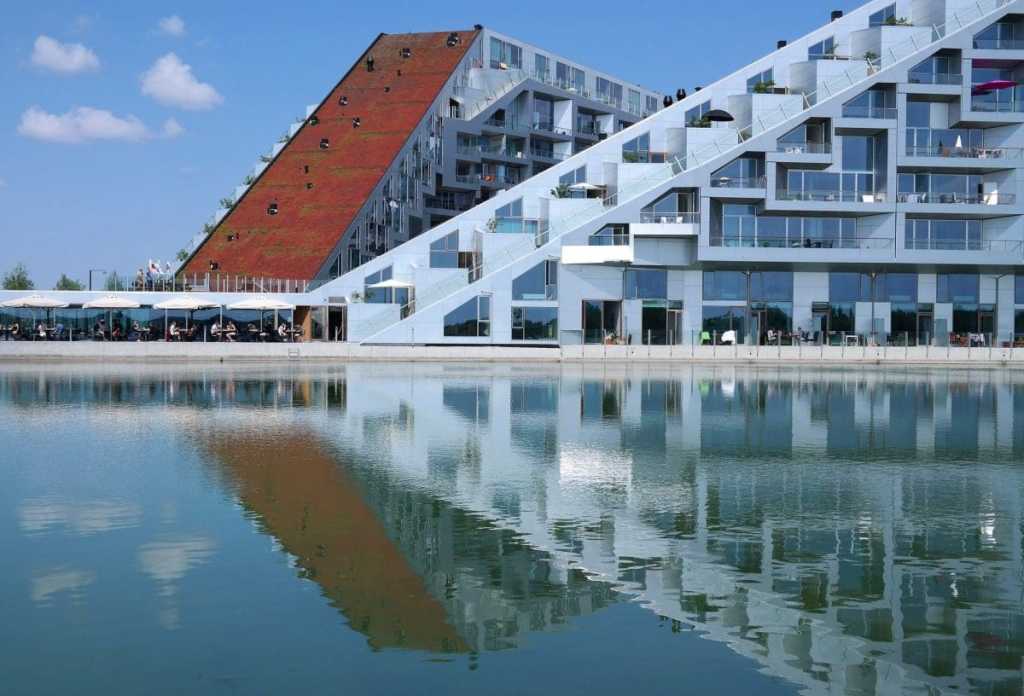
The concept of net-zero energy buildings is gaining traction globally, with major cities leading the charge. Copenhagen, Denmark, is home to the CPH 2025 Climate Plan, which outlines the city’s commitment to becoming carbon-neutral by 2025. The plan includes the development of energy-efficient buildings and the integration of renewable energy sources. The Gemini Residence, a sustainable apartment complex in Copenhagen, utilizes solar panels and geothermal heat pumps to achieve net-zero energy consumption.
Vancouver, Canada, is another city striving for net-zero energy buildings. The Vancouver Zero Emissions Building Plan aims to transition to all new buildings being carbon-neutral by 2030. The Exchange, a commercial building in Vancouver, showcases innovative design and energy-efficient systems, setting a precedent for sustainable construction in the city.
Smart Cities and IoT Integration
The rise of smart cities is transforming urban landscapes, with the integration of the Internet of Things (IoT) playing a crucial role. Barcelona, Spain, has been at the forefront of this movement with its implementation of the Barcelona Urban Platform. This platform utilizes IoT sensors to collect data on various aspects of urban life, including transportation, energy usage, and air quality. The data gathered is used to optimize city services, reduce energy consumption, and enhance overall urban efficiency.
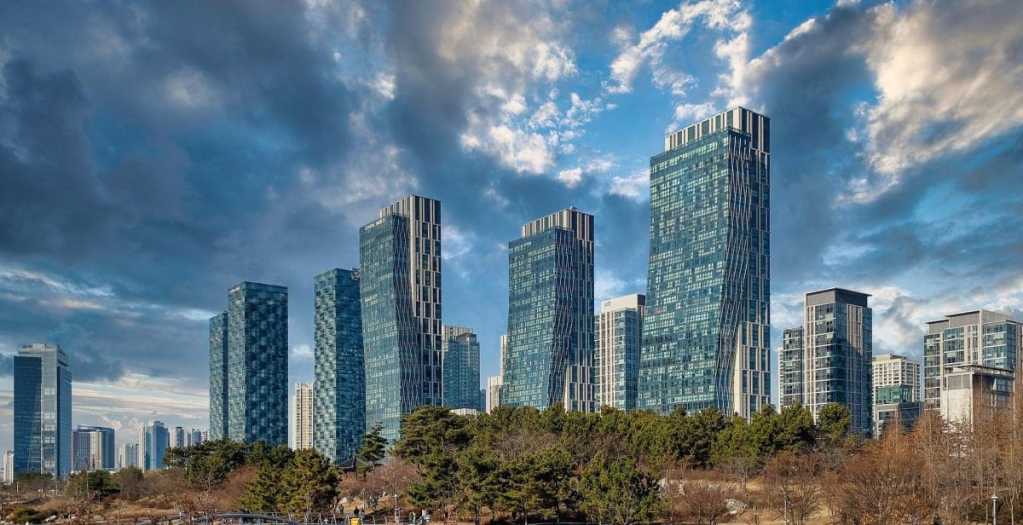
Songdo International Business District in South Korea is often hailed as a model smart city. The city incorporates advanced technologies such as automated waste collection, intelligent transportation systems, and smart grids. By leveraging IoT integration, Songdo aims to create a sustainable and interconnected urban environment.
Circular Economy in Construction
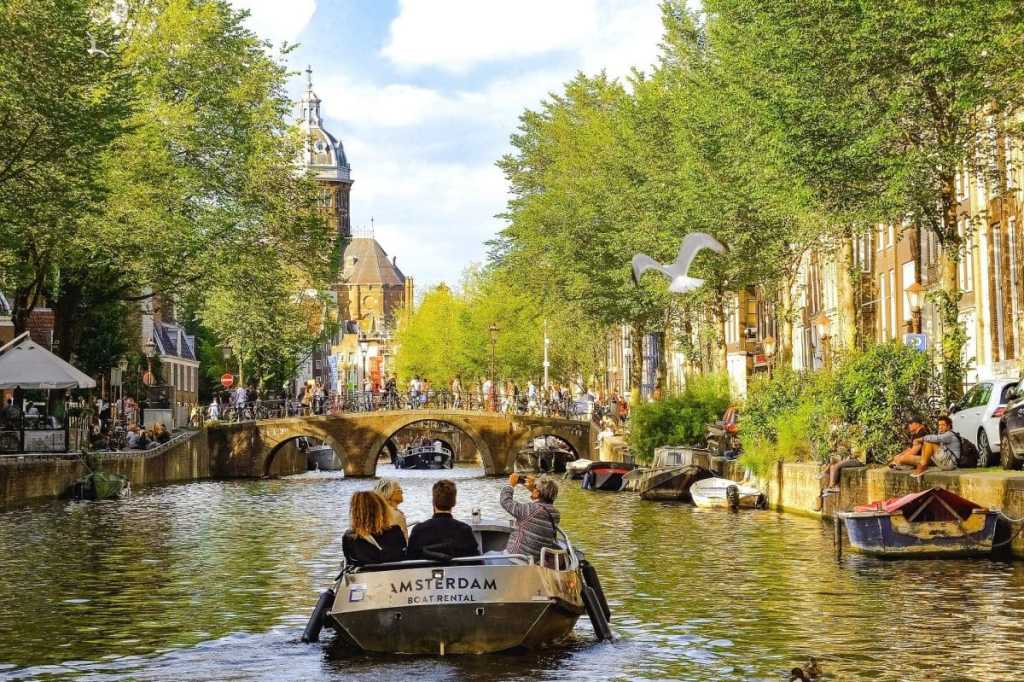
Major cities are increasingly embracing the principles of the circular economy in construction, focusing on sustainable materials and waste reduction. Amsterdam, Netherlands, is a frontrunner in this trend. The city’s Circular Building Program encourages the use of recycled materials and promotes building designs that facilitate disassembly and reuse. The Circl Pavilion, a circular economy-inspired building in Amsterdam, exemplifies these principles by utilizing recycled and reusable materials.
In the United States, Portland, Oregon, has been making strides in sustainable construction. The Framework Building, a proposed 12-story timber tower, aims to sequester carbon through the use of sustainably harvested wood. This innovative approach showcases Portland’s commitment to circular economy practices in the construction industry.
Mixed-Use Developments and Urban Mobility Solutions
Creating mixed-use developments and improving urban mobility are critical for sustainable city planning. Melbourne, Australia, has embraced mixed-use development with Docklands, a waterfront precinct that combines residential, commercial, and recreational spaces. This integrated approach reduces the need for extensive commuting and fosters a sense of community.
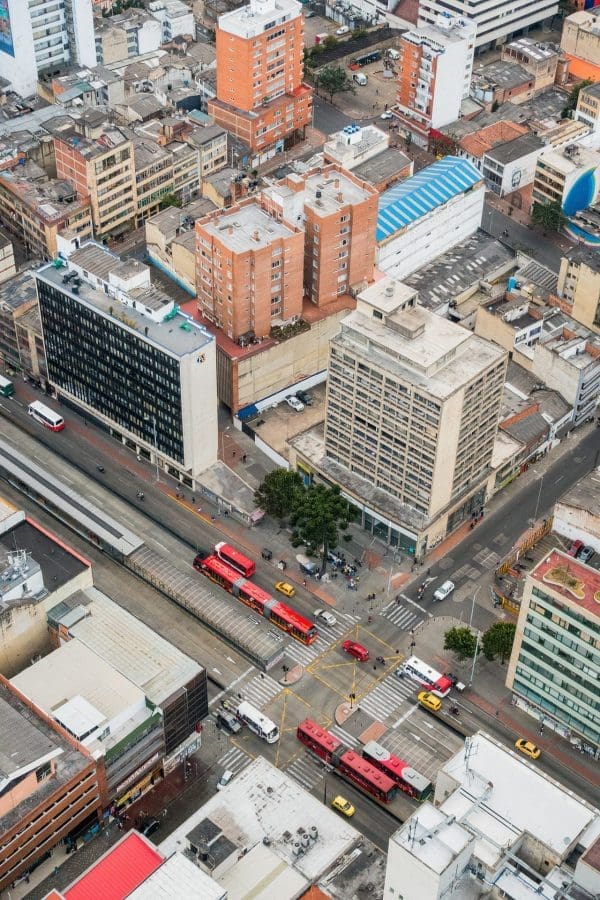
Bogotá, Colombia, has implemented innovative urban mobility solutions with its TransMilenio Bus Rapid Transit system. This system provides efficient, affordable, and environmentally friendly transportation, reducing congestion and air pollution. The success of TransMilenio serves as a model for other major cities looking to enhance their urban mobility infrastructure sustainably.
Resilient and Adaptive Architecture
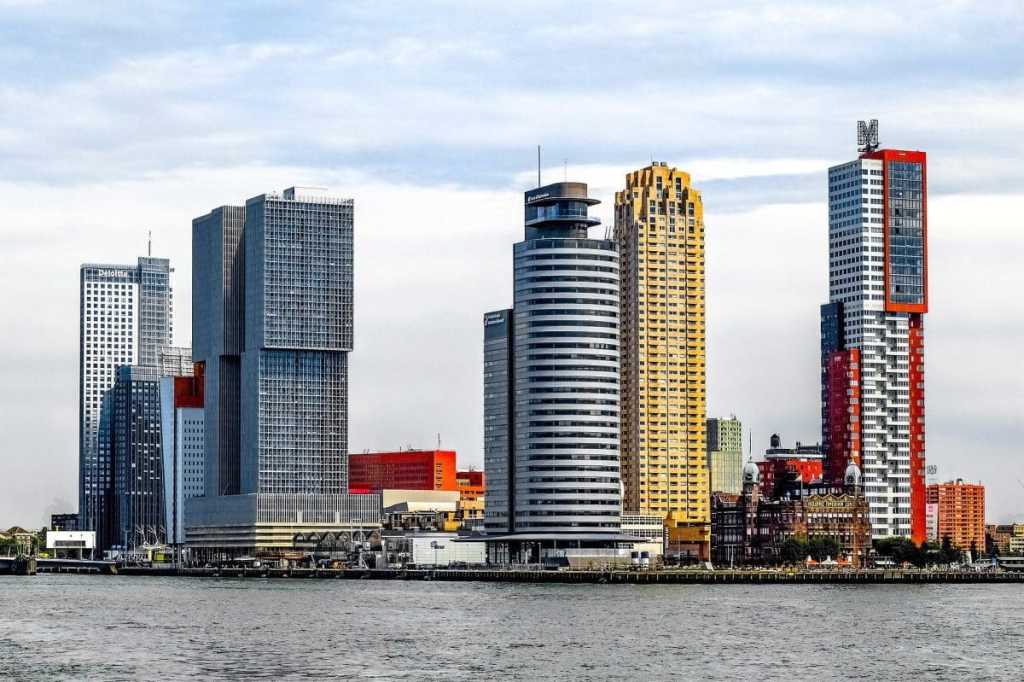
As cities face the increasing threats of climate change, resilient and adaptive architecture is gaining prominence. Rotterdam, Netherlands, has implemented innovative strategies to address flooding and rising sea levels. The Maeslantkering, a massive storm surge barrier, protects the city from the North Sea during extreme weather events, showcasing Rotterdam’s commitment to resilience.
In San Francisco, California, the Transbay Transit Center incorporates resilient design principles. The center is equipped with a living roof, sustainable landscaping, and energy-efficient systems to withstand seismic events and reduce environmental impact. Such projects demonstrate the importance of resilient architecture in preparing cities for future challenges.
Community Engagement and Participatory Planning
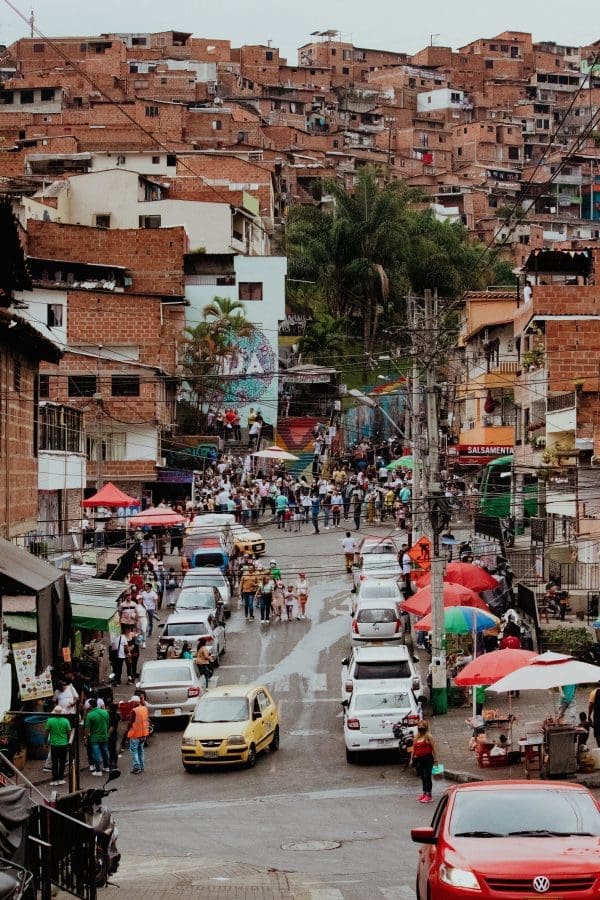
Engaging communities in the urban planning process is crucial for creating sustainable and inclusive cities. Medellín, Colombia, exemplifies the transformative power of community engagement with its Comuna 13 revitalization project. By involving residents in the planning and decision-making processes, the city turned a once-violent neighborhood into a vibrant and accessible community through the installation of outdoor escalators and public spaces.
In Copenhagen, Denmark, the Superkilen park project showcases the impact of participatory planning. The park, designed with input from local residents representing over 60 nationalities, features diverse elements that reflect the cultural richness of the community. This collaborative approach ensures that urban development meets the needs and aspirations of the people it serves.
Major cities around the world are navigating the complexities of urbanization and climate change by embracing innovative trends in sustainable housing and urban planning. From green roofs to smart cities, these trends are shaping the future of urban living.
As cities continue to evolve, the integration of these sustainable practices will play a pivotal role in creating resilient, eco-friendly, and thriving urban environments for generations to come. The examples highlighted demonstrate that the future of sustainable housing and urban planning is not just a vision but a tangible reality unfolding in cities across the globe.
Further Reading:
The Ideal City: Exploring Urban Futures
Happy City: Transforming Our Lives Through Urban Design by Charles Montgomery
DREAM CITIES by Wade Graham
Soft City: Building Density for Everyday Life by David Sim
We hope you like the products we recommend! Just as a heads up, Trip Treasury may collect a share of the sale from the links on this page.