
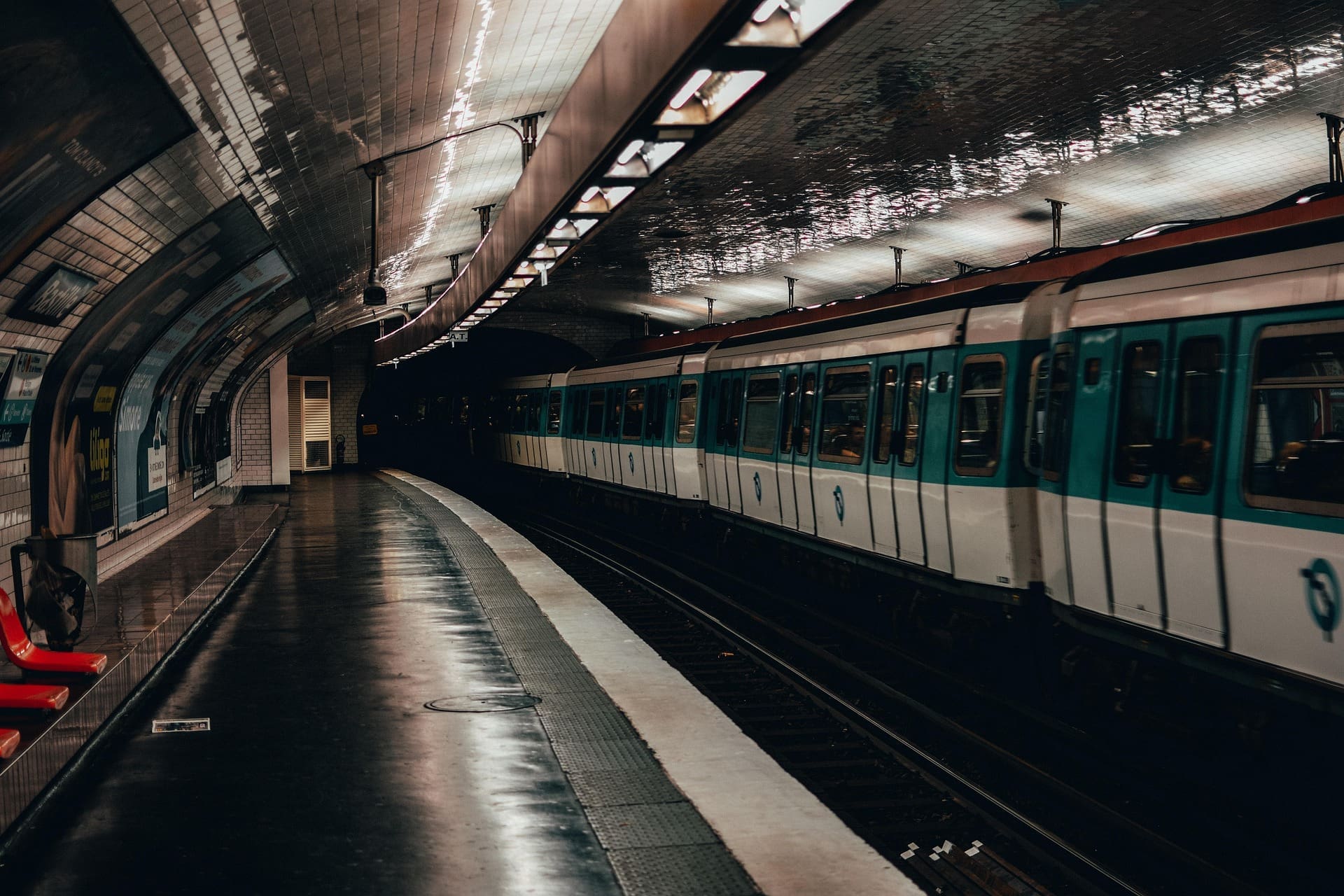
A metro system is more than just a way to get from place to place. For many, it is also an access point to experience the places, people, and overall vibe of a city from the ground level. There are few places that offer the same kind of intimate connection with the urban environment like subway systems do, and few places understand how beneficial these networks are to city living than Europe.
Although they don’t handle quite the same volume as urban rail networks in places like China and Japan, Europe is still home to many of the busiest metro systems in the world. each with its own quirks, triumphs, and frustrations. These metros reflect the histories and progression of the places they call home, with many having spent more than a century as the cornerstone of their city’s transportation blueprint.
So which of Europe’s urban rail systems are the best? We compared the five busiest metro systems in Europe across four categories: accessibility, cleanliness, efficiency, and coverage to try and find the answer to that question.
FIVE
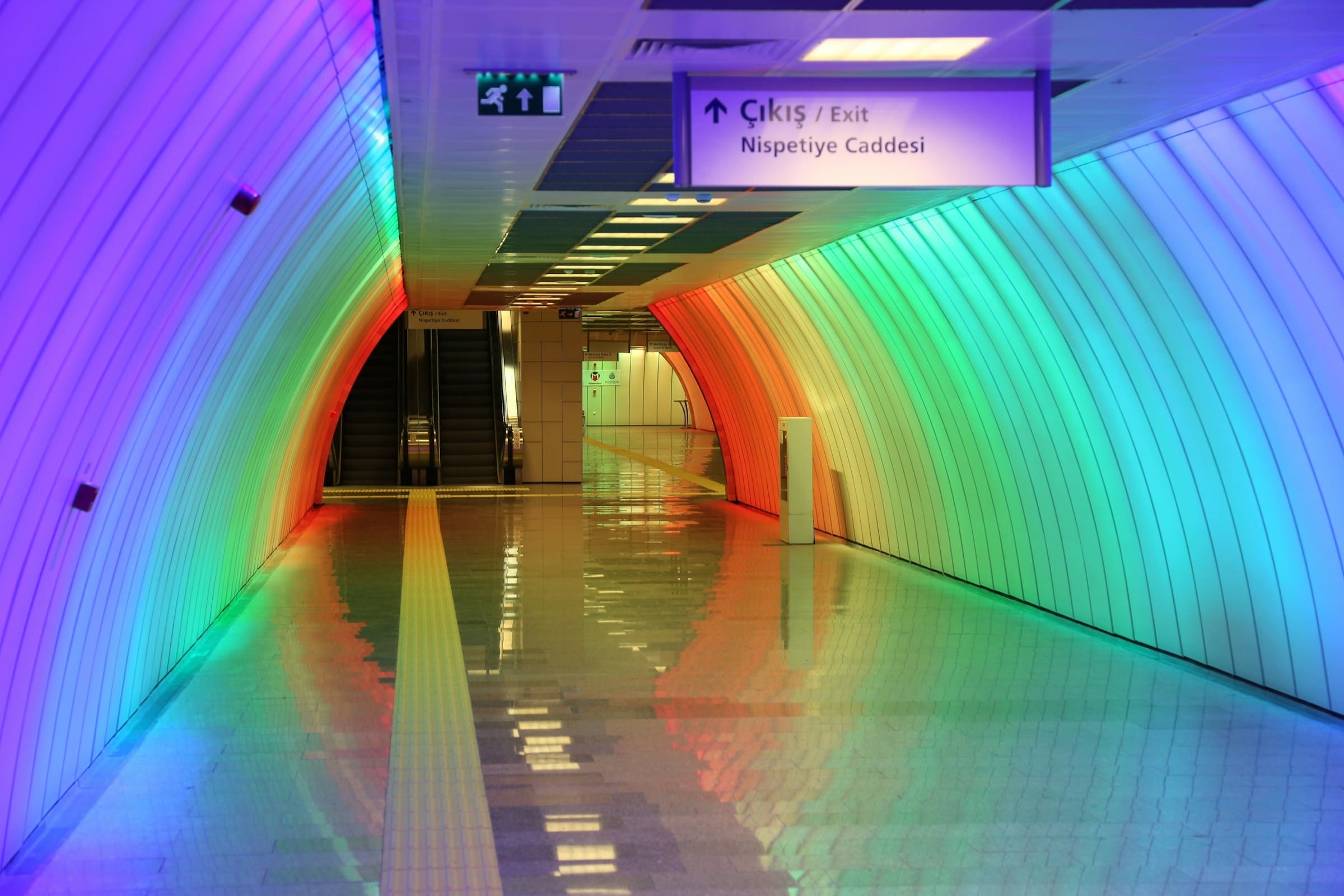
Istanbul Metro
Facts and Figures
First Opened – September 3rd, 1989
Passengers Per Year – 612 Million
Number of Stations – 159
System Length – 151.2 Miles (243.3 km)
Accessibility
Although many of its stations are equipped with elevators and escalators, the system is still behind in this department, especially when considering its relatively young age.
Cleanliness
The system scores well on cleanliness. Like the Moscow Metro, the Istanbul Metro integrates modern technology and regular cleaning to improve the experience of its passengers.
Reliability
Istanbul’s metro is also very reliable, and trains generally run on time. However, the city’s geography and the placement of many of its stations can present problems.
Coverage
Although the Istanbul Metro is more than 152 miles in length, there are still very large gaps in coverage due to the city’s 994 square mile area. New lines are in the works, but there is a long way to go before the city is as covered as other European metro systems.
FOUR
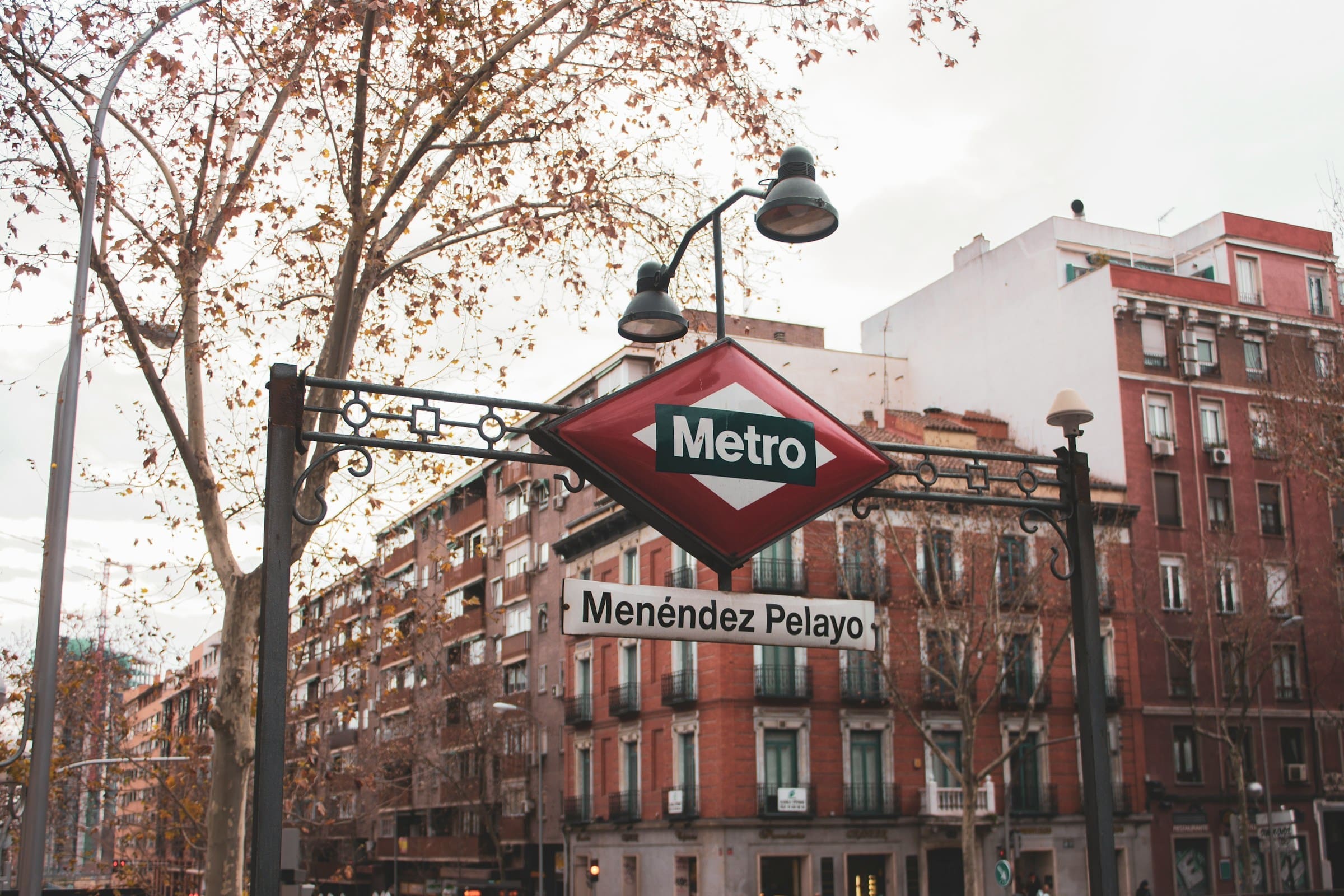
Madrid Metro
Facts and Figures
First Opened – October 17th, 1919
Passengers Per Year – 715 Million
Number of Stations – 276
System Length – 184.3 Miles (296.6 km)
Accessibility
The Madrid Metro is one of the world’s most accessible, with an incredible 84% of its stations being fully accessible. Plans are also being proposed to extend this to the networks suburban stations as well.
Cleanliness
The Madrid Metro is old, and this has caused cleanliness issues in the past. But the city has made a commitment to improving this attribute. Today, it is considered one of Europe’s most sanitary systems.
Reliability
The Madrid Metro is highly efficient, with trains arriving every two to three minutes even at the busiest hours of the day.
Coverage
As one of the longest networks in the world, the Madrid Metro leaves the city extremely well covered. Altogether, there is over 184 miles of track and 276 stations covering the city’s 233 square miles.
More From TripTreasury: The Six Largest Cruise Ships In The World
THREE
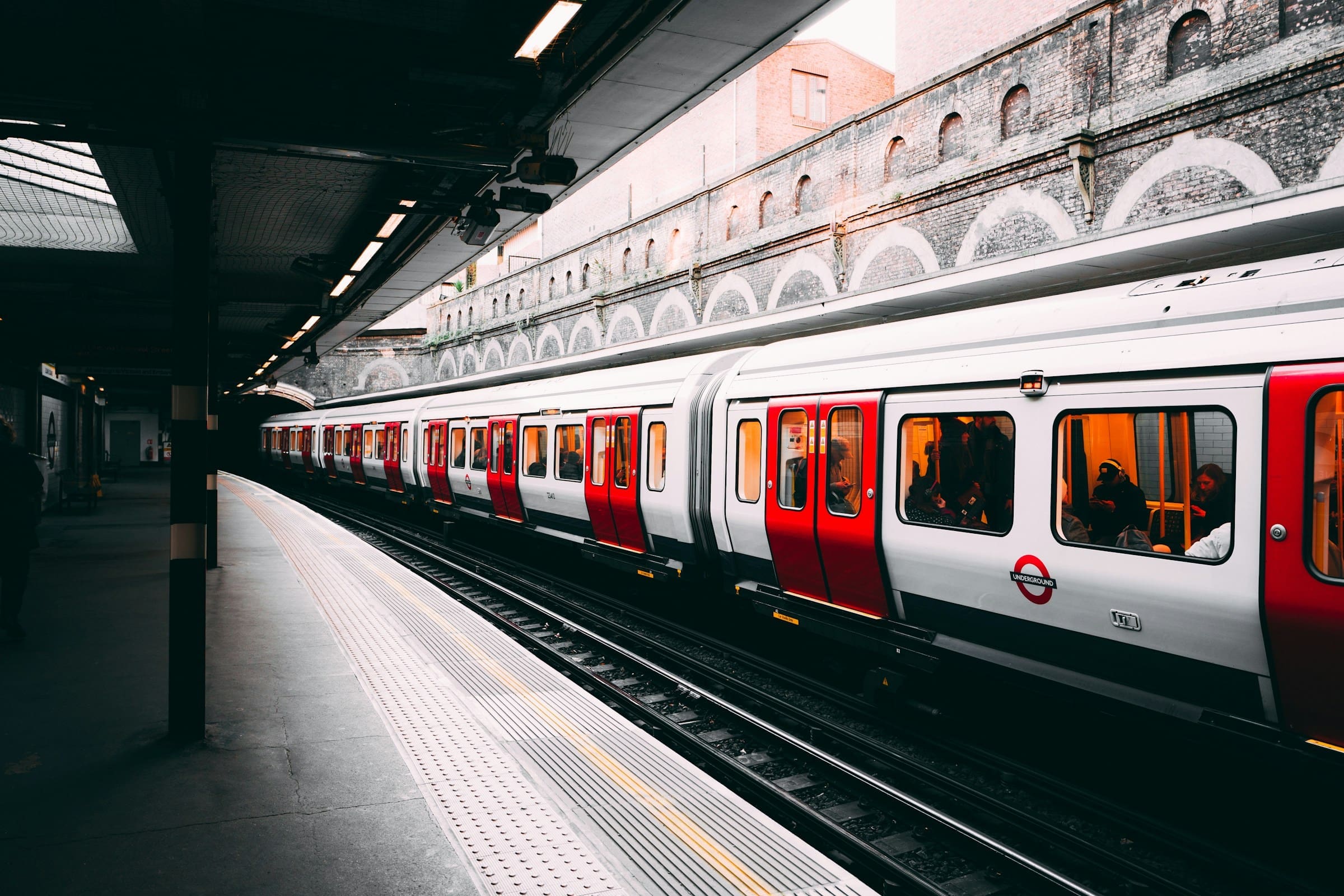
London Underground
Facts and Figures
First Opened – January 10th, 1863
Passengers Per Year – 1.18 Billion
Number of Stations – 272
System Length – 250 Miles (402.3 km)
Accessibility
Although it is performing much better than Paris, Only 34% of London’s stations are fully accessible. Like its French counterpart, this is a direct consequence of the age of the system.
Cleanliness
At first glance, many of London’s stations appear to be mostly sanitary. But at closer inspection, the system suffers from cleanliness issues related to bacterial contamination and eroding infrastructure.
Stations are cleaned a little more than once a month, giving little time for issues such as these to be addressed properly.
Reliability
Although delays are common on the Tube, it is mostly reliable with ratings of anywhere between 85 and 90% depending on the line. The introduction of new lines, such as the Elizabeth Line has helped to modernize the network and improve both reliability and speed.
Coverage
The Tube also has a vast coverage, with over 270 stations and 250 miles of rail length. Still, the sprawl of Greater London leaves coverage gaps in many parts of the city.
TWO
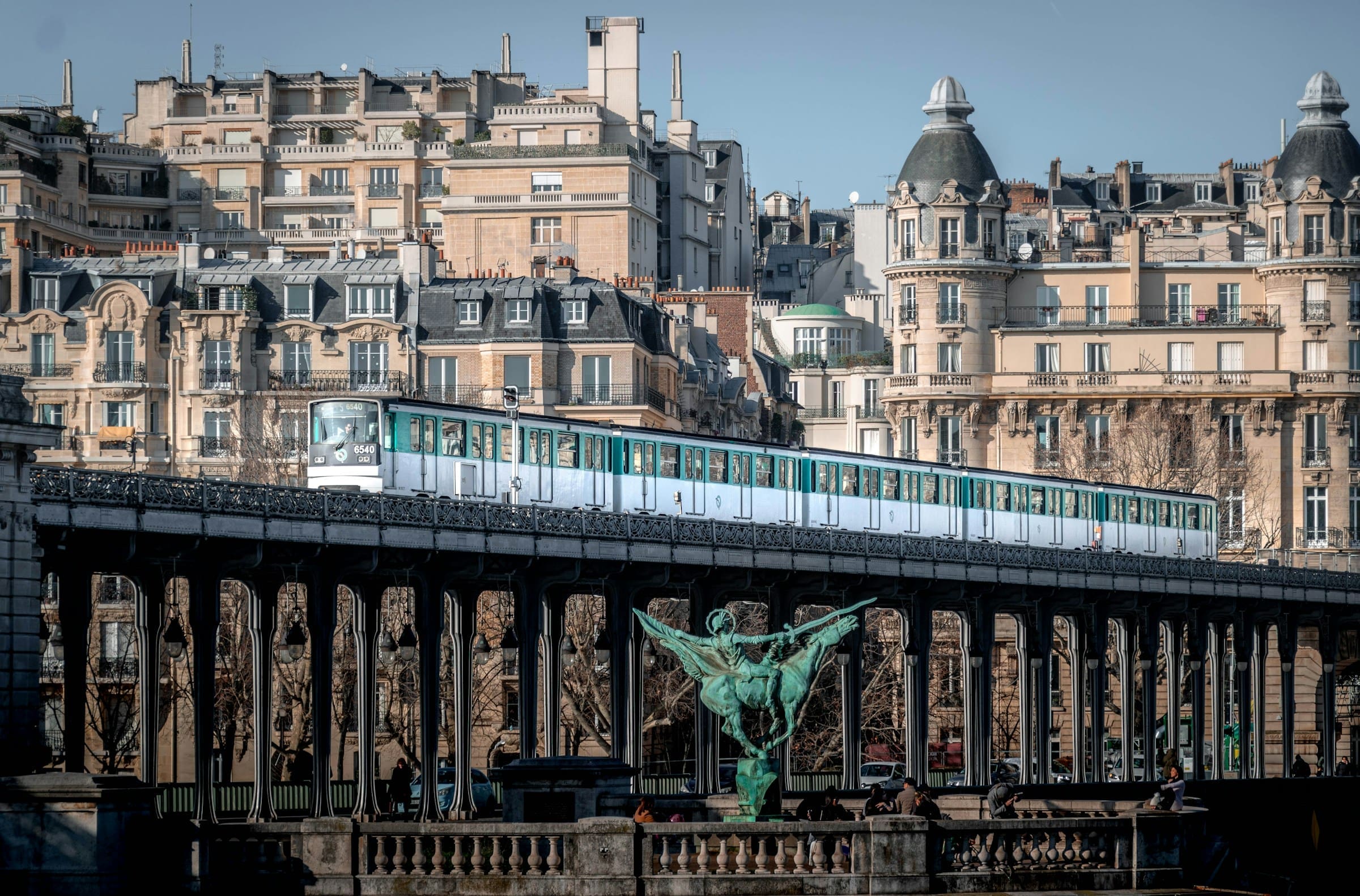
Paris Metro
Facts and Figures
First Opened – July 19th, 1900
Passengers Per Year – 1.47 Billion
Number of Stations – 321
System Length – 152.6 Miles (245.6 km)
Accessibility
The age of many of Paris’ metro stations make them difficult to modernize, and this has led to only around 10% of them being fully accessible. This makes the system one of the world’s least accessible.
Accessibility has, of course, been built into the systems newer stations, but there has not been any major effort to extend that feature to the oldest of Paris’ metro stations.
Cleanliness
The Paris Metro also struggles with cleanliness, at least when compared to many of its European counterparts. This can partly be blamed on its age, but other factors such as dangerous air quality and bacterial levels contribute as well.
Reliability
Efficiency is a point of pride for the Paris Metro as well, as it is generally regarded as being extremely reliable. This is due in part to its system being fully automated, which helps to reduce delays caused by human error.
Coverage
The Paris Metro’s 152.6 miles of rail makes the city extremely well covered. This is compounded by the fact that the city itself is only 41 square miles.
This network density makes it extremely easy to take a train to nearly every corner of the city with very little difficulty. It is also why the network is Europe’s 2nd busiest.
ONE
Moscow Metro
Facts and Figures
First Opened – May 15th, 1935
Passengers Per Year – 2.5 Billion
Number of Stations – 300
System Length – 326.7 Miles (525.7 km)
Accessibility
The Moscow Metro is well known for its grandeur, with many of its stations designed with incredible attention to artistic and architectural detail. But accessibility is a mixed story. Stations are often very deep underground, with long escalators escorting passengers.
This has contributed to accessibility issues in the past. However, The Passenger Mobility Center, created in 2013, was created to solve this problem and has helped make the Moscow Metro more welcoming to people with limited mobility.
Cleanliness
In terms of cleanliness, the Moscow Metro truly shines. The polished interior of the system’s stations and train cars are a direct result of how they approach this attribute.
On top of the more than 4,000 workers that clean its stations each day, the Moscow Metro’s train cars are also equipped with the latest in passenger safety technology including UV lambs that help to disinfect both the surfaces and air of the entire system.
Reliability
The Moscow Metro is one of the world’s most efficient, and boasts a 99.9% punctuality rating.
Coverage
The Moscow Metro’s 326.7 mile length provides one of Europe’s most robust metro system networks. The system also features 300 stations spread across its 16 lines.