

In a world dominated by car-centric urban areas, the importance of pedestrian-friendly cities cannot be overstated. Cities with well-designed pedestrian infrastructure not only promote sustainable and healthy living but also provide a unique charm, livability, and character to their streets.
In this article, we will look at five cities around the world that have taken significant strides in creating exceptional pedestrian-friendly environments.
Copenhagen, Denmark
Copenhagen consistently ranks as one of the most pedestrian-friendly cities globally, and for good reason. The Danish capital boasts an extensive network of pedestrian zones, cycling lanes, and green spaces. The iconic Strøget, one of the longest pedestrian streets in Europe, is a prime example of Copenhagen’s commitment to prioritizing pedestrians. With its energetic atmosphere, outdoor cafes, and a plethora of shops, Strøget offers a delightful experience for both locals and visitors alike.
The city’s emphasis on sustainable transportation is evident in its bicycle-friendly infrastructure, further enhancing the overall pedestrian experience. Copenhagen’s commitment to an urban planning strategy that prioritizes pedestrians has set a benchmark for other cities worldwide.

Tokyo, Japan
Tokyo, often associated with its bustling urban life and technology that seems light years ahead of the rest of the world, surprises many with its extensive pedestrian-friendly infrastructure. The city has embraced the concept of “pedestrian scrambles,” where traffic lights stop all vehicles, allowing pedestrians to cross in all directions simultaneously. The iconic Shibuya Crossing is a testament to this innovative approach, drawing crowds of people every day.
Apart from these high-energy intersections, Tokyo also features pedestrian-only zones in various neighborhoods. The expansive Ueno Park provides a serene escape from the urban hustle, offering pedestrians a green oasis within the city. Tokyo’s commitment to blending technology with pedestrian-friendly design makes it a standout example of a metropolis that values the well-being of its citizens.

Melbourne, Australia
Melbourne, known for its vibrant culture and diverse architecture, has invested significantly in creating a pedestrian-friendly urban environment. The city’s extensive network of laneways, filled with cafes, boutiques, and street art, encourages pedestrians to explore its unique character. The iconic Hosier Lane, adorned with ever-changing graffiti and murals, exemplifies Melbourne’s commitment to creating engaging pedestrian spaces.
In addition to its laneways, Melbourne boasts wide sidewalks, pedestrian-friendly crossings, and an efficient public transportation system. The strategy that the city has put in place to enhance the pedestrian experience has played a pivotal role in shaping Melbourne’s identity as a walkable and enjoyable destination.

Barcelona, Spain
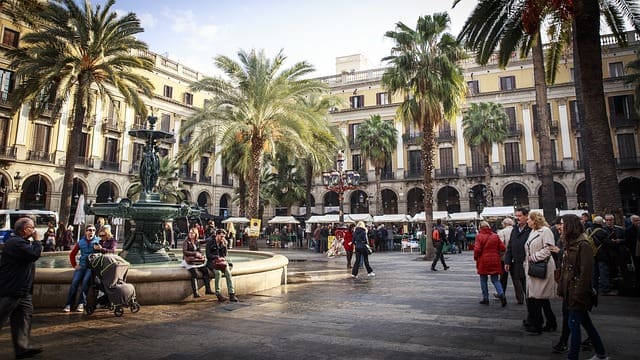
Barcelona, renowned for its architectural marvels and vivid street life, has been embracing pedestrian-friendly initiatives for many years. The famous pedestrian boulevard, La Rambla, is a cultural hub filled with street performers, markets, and outdoor cafes. The Gothic Quarter, with its narrow streets and historic architecture, creates an enchanting environment for pedestrians to explore.
Barcelona’s focus on reducing traffic in the city center has led to the creation of super-blocks—clusters of interconnected streets prioritizing pedestrians over vehicles. These urban planning innovations contribute to a more pleasant and walkable experience, aligning with Barcelona’s dedication to creating a livable and sustainable city.
Amsterdam, Netherlands
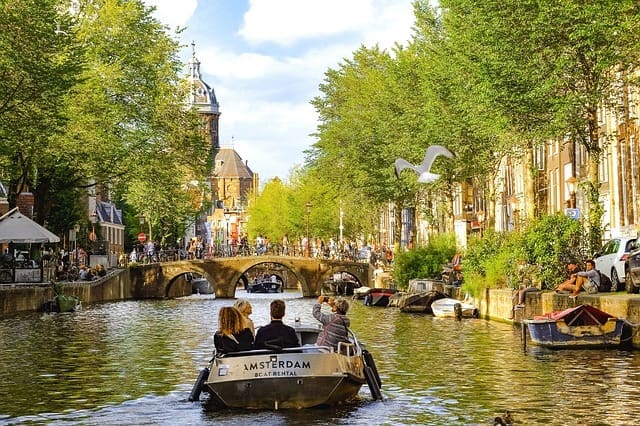
Amsterdam, often referred to as the “Venice of the North,” is renowned for its extensive and well-designed pedestrian infrastructure. The city’s historic canals, charming narrow streets, and absence of heavy traffic create a paradise for pedestrians and cyclists alike. Amsterdam’s commitment to sustainable transportation is evident in its vast network of dedicated cycling lanes, making it one of the most bike-friendly cities globally.
The city’s central areas, including Dam Square and the Jordaan district, feature wide sidewalks, outdoor cafes, and vibrant street life. Amsterdam has concentrated on building mixed-use developments which ensure that amenities, cultural attractions, and residential spaces are easily accessible by foot. With its picturesque canals and iconic architecture, Amsterdam stands as a shining example of a city that seamlessly blends history, culture, and urban design.
These five cities serve as inspiring models for others looking to prioritize the well-being of pedestrians in their urban landscapes. As we navigate the challenges of urban living, these cities provide a glimpse into a future where walking is not just a mode of transportation but a truly enjoyable and enriching experience.