
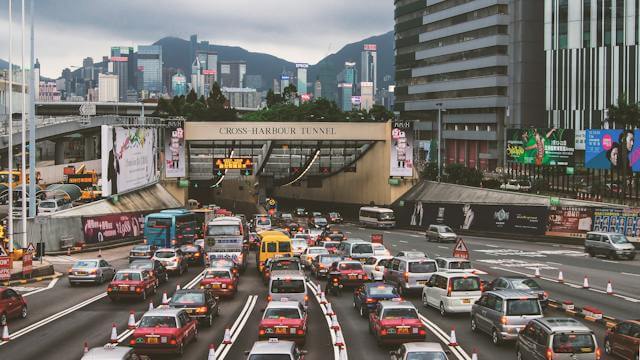
Their are a countless number of ongoing and evolving environmental concerns in the modern day, and the dire need for sustainability, cities worldwide are reevaluating their transportation strategies. With the adverse effects of car dependency becoming increasingly evident, urban planners and policymakers are seeking innovative solutions to create greener, pedestrian-friendly, and more efficient urban spaces.
Join us as we explore four steps that cities can take to decrease their dependence on cars, fostering a more sustainable and livable environment for residents.
Invest in Robust Public Transportation
The backbone of any city’s effort to reduce its dependence on cars lies in the development of a reliable and efficient public transportation system. Investing in well-connected bus and metro networks provides residents with convenient alternatives to private car usage.
Cities can consider implementing technologies such as real-time tracking apps, contactless payments, and dedicated lanes to make public transport more attractive and user-friendly. Initiatives like affordable passes, discounts for regular commuters, and extended service hours can further incentivize residents to choose public transportation over private vehicles.

Prioritize Pedestrian and Cycling Infrastructure
Creating walkable and bike-friendly urban environments is essential to reducing reliance on cars. Cities can design pedestrian-friendly zones, complete with well-maintained sidewalks, green spaces, and bike lanes.
Investing in cycling infrastructure not only promotes healthier lifestyles but also provides a sustainable mode of transport for short to medium distances. By prioritizing the safety and accessibility of pedestrians and cyclists, cities can encourage more people to opt for these eco-friendly alternatives, contributing to a reduction in traffic congestion and pollution.

Implement Carpooling and Ride-Sharing Programs
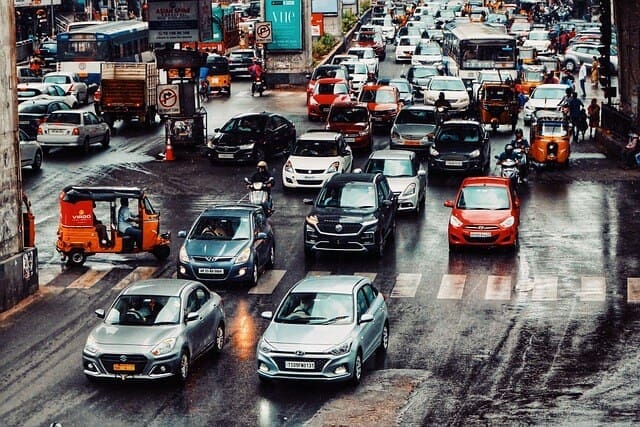
One of the major issues with cars is their inefficiency in terms of their passenger capacity. Millions of people headed in the same direction are driving alone each day, contributing to traffic jams and carbon emissions. There is no reason that this should be the case when most cars can fit multiple people comfortably.
To combat this, cities should harness the power of technology to facilitate carpooling and ride-sharing programs. Smartphone apps and online platforms make it easier for residents to connect with others traveling in the same direction. Incentives such as reduced parking fees for shared rides or dedicated carpool lanes can motivate people to embrace these options. By promoting the idea of shared mobility, cities can optimize existing resources, decrease traffic congestion, and minimize the overall number of vehicles on the road.
Develop Mixed-Use Zoning and Urban Planning
Reimagining urban spaces through mixed-use zoning and thoughtful urban planning can contribute significantly to reducing car dependence. By creating neighborhoods where residential, commercial, and recreational spaces coexist, cities can minimize the need for long commutes.
This integrated approach allows residents to meet their daily needs within walking or biking distance, fostering a sense of community and reducing reliance on cars for routine activities. Strategic land-use planning can also promote the development of compact, transit-oriented communities, further supporting sustainable transportation alternatives.

As cities grapple with the challenges of urbanization and environmental sustainability, adopting a multi-faceted approach is key. By investing in robust public transportation, prioritizing pedestrian and cycling infrastructure, implementing carpooling and ride-sharing programs, and developing mixed-use zoning, cities can create a holistic strategy to decrease their dependence on automobiles.
Through these concerted efforts, urban areas can not only mitigate the negative impacts of car-centric lifestyles but also pave the way for more sustainable, and livable communities.