Over the course of many centuries, the water ways, rail networks, and highways found across North America have slowly merged and combined individual population centers into massive clusters of nearly uninterrupted urban areas known as megalopolises. These giant centers of human activity blur state and country borders, stretch for hundreds of miles, and encompass tens of millions of people.
The term “megalopolis” itself is debated, as are the specific regions that constitute their make up. Still, there are urban clusters that are generally accepted by historians, academics, and urban planners as official based on their proximity, shared cultures, and geographical influences.
In this article, we’ll rank the five largest megalopolises that exist on the North American continent.
FIVE
The Quebec City–Windsor Corridor
Facts and Figures
Population – 18.9 Million
Area – 89,000 sq mi (230,000 km2)
Major Metro Areas:
Greater Toronto – 6.7 Million
Greater Montreal – 4.3 Million
National Capitol Region – 1.5 Million
Beginning with number five is a megalopolis in Eastern Canada known as the Quebec City–Windsor Corridor. This sprawling area is the center of Canada’s culture, government, and economic institutions. It is also where the majority of Canada’s citizens call home.
The Quebec City-Windsor Corridor is a vast area that covers around 89,000 square miles. Amongst its numerous population centers are Toronto and Montreal, which when combined, have metropolitan areas amounting to more than 10 million people, more than half of the region’s total population.

FOUR
The Southern California Megalopolis
Facts and Figures
Population – 23.8 Million
Area – 56,505 sq mi (146,350 km2)
Major Metro Areas:
Greater Los Angeles – 17.8 Million
San Diego – Tijuana – 5.5 Million
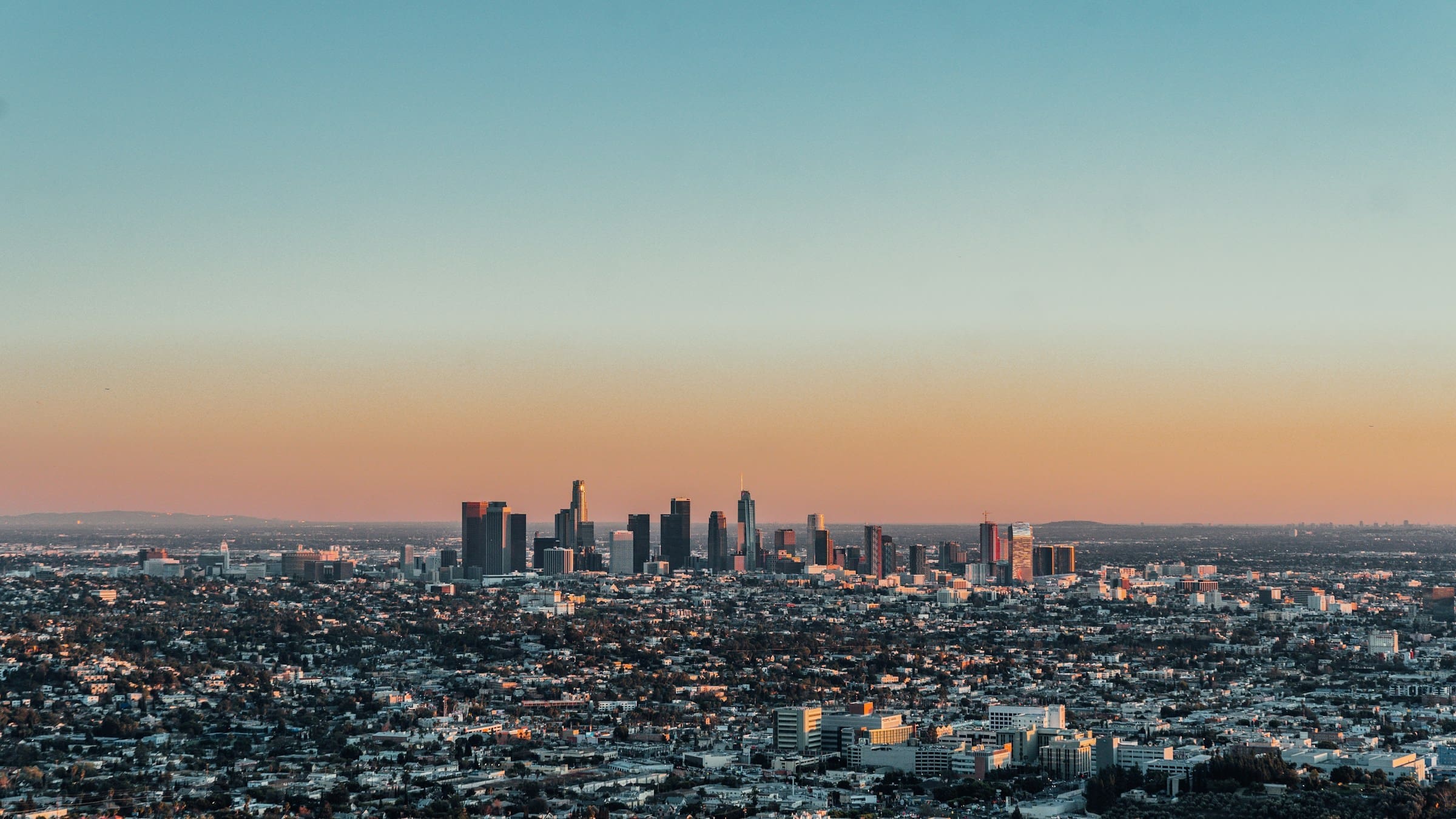
The Southern California megalopolis spans across ten highly populated counties, and is anchored by two highly populated metro areas, Los Angeles and San Diego. Altogether, it includes around 24 million people, a little more than 7% of the United States’ total population.
Los Angeles is of course the most well known city within this megalopolis. However, the many other cities and towns that make up the SoCal Megalopolis also contribute to the cultural and economic success of this area, which has made it one of the wealthiest regions in the US.
More From TripTreasury: The Six Largest Cruise Ships In The World
THREE
The Mexico City Megalopolis
Facts and Figures
Population – 32.4 Million
Area – 7,550 sq mi (19,554 km2)
Major Metro Areas:
Valley of Mexico – 21.8 Million
Puebla – 3.2 Million
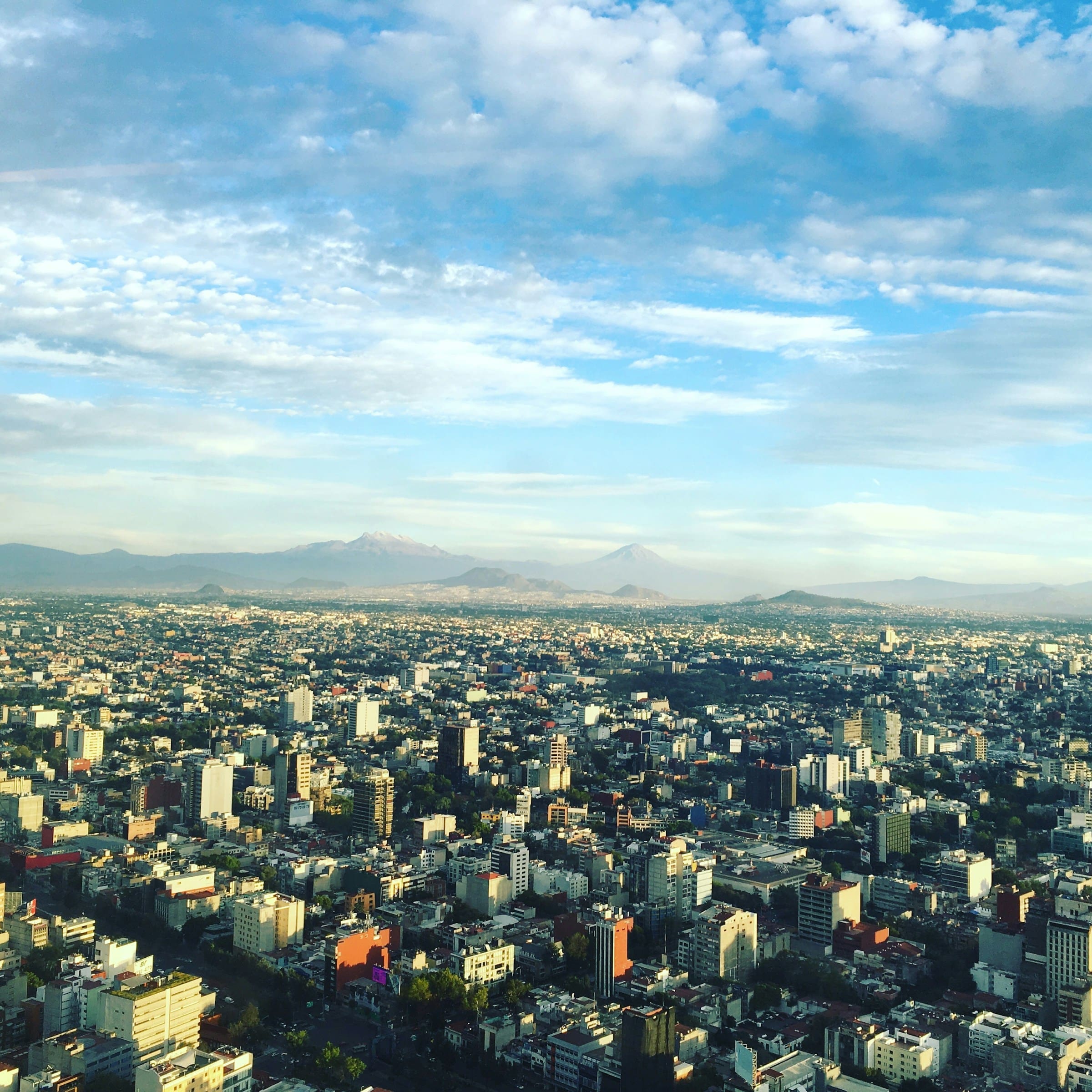
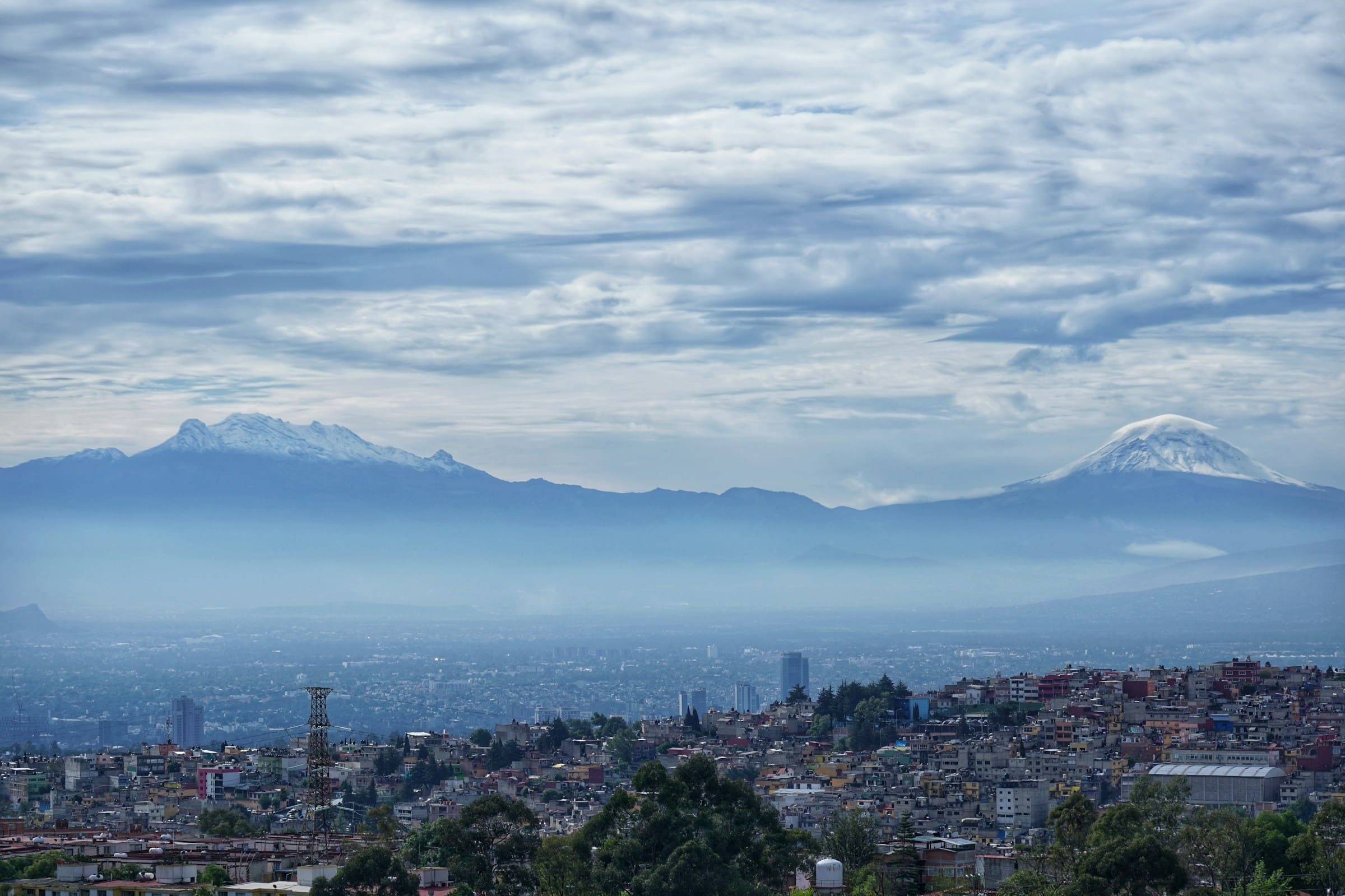
The most urbanized megalopolis on this list by far is the Mexico City Megalopolis, named for the mega city located at the core of this highly populated region. This megalopolis includes several metropolitan areas around Mexico City and is home to more than 32 million residents. There has been evidence of human activity found here, that points to it being inhabited for at least 13,000 years. This makes it one of the oldest human settlements in the Western Hemisphere.
There is plenty of natural beauty to be found within the Mexico City Megalopolis, but it is also almost completely urbanized. The average population density across the entire area is 4,300 people per square mile (1,700 km2), giving even its least populated areas a higher concentration of people per square mile than major US cities such as Atlanta, Dallas, and Houston. By itself, Mexico City has a population density of 16,000 people per square mile.
Roughly a quarter of Mexico’s GDP is generated in the Mexico City Megalopolis. It is also the seat of the country’s government and a hub of its finance, media, and manufacturing industries.
TWO
The Northeast Corridor
Facts and Figures
Population – 50.2 Million
Area – 56,200 sq mi (146,000 km2)
Major Metro Areas:
New York – Newark – 22.4 Million
Washington – Arlington – Alexandria – 6.1 Million
Boston – Worcester – Providence – 8.4 Million
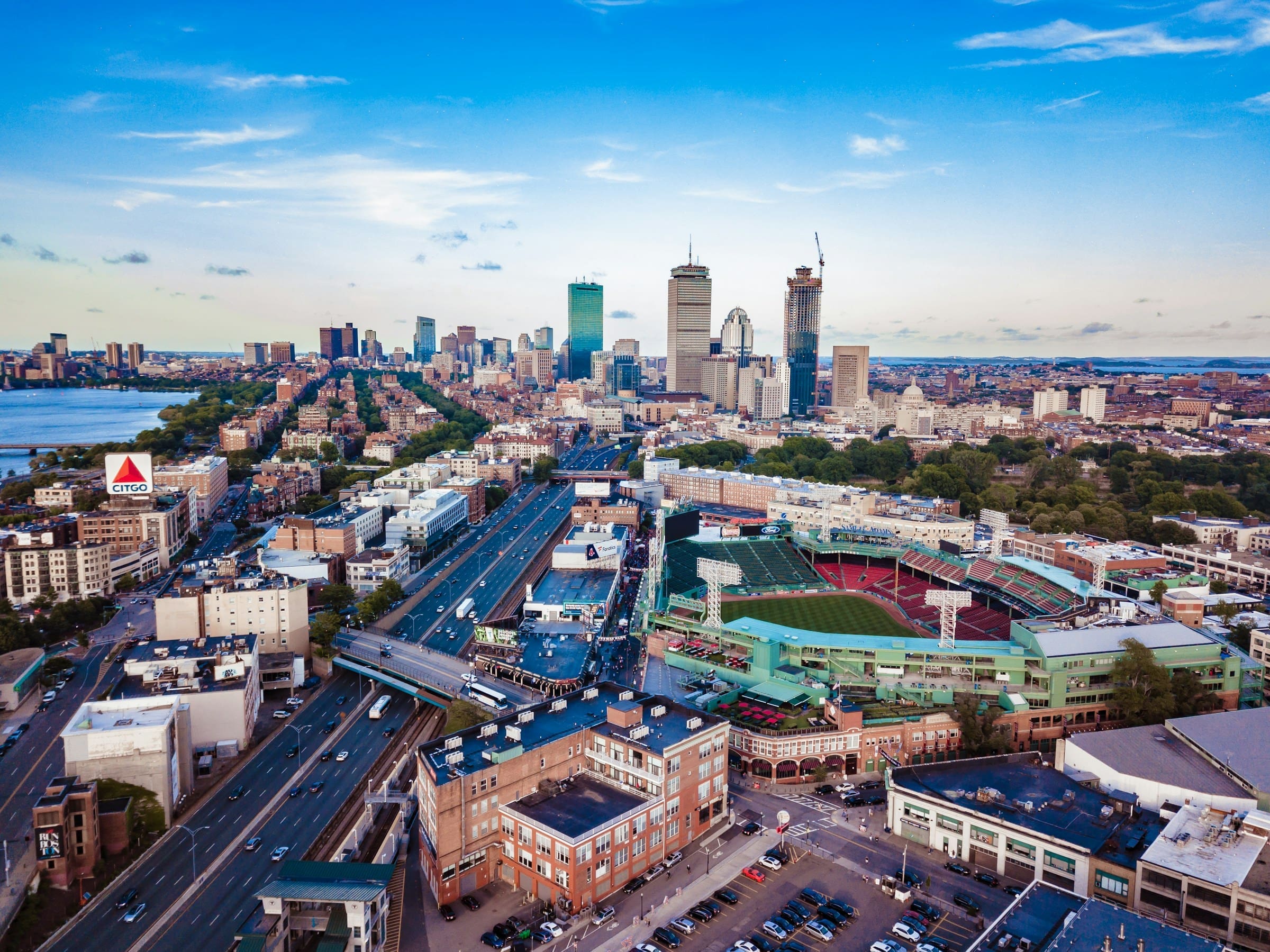
The Northeast Corridor is one of the most politically and economically influential regions on earth. Spanning from New England to Northern Virginia on the east coast of the United States, the region includes some of the country’s most well known cities including Boston, Washington, D.C. and New York City. Altogether, just over 50 million people live in this region, making it home to almost 15% of the total US population.
Although not as densely populated as the Mexico City Megalopolis, the Northeast corridor is also an area of near continuous urban activity. Found within this region’s urban sprawl are the nerve centers of the US government, headquarters of hundreds of multinational conglomerates, and dozens of the world’s top educational institutions.
ONE
The Great Lakes Megalopolis
Facts and Figures
Population – 59.1 Million
Area – ~160,000 sq mi (414,000 km2)
Major Metro Areas:
Chicago Metropolitan – 9.4 Million
Greater Toronto – 6.7 Million
Detroit – Windsor – 6 Million
At the top of the list is the Great Lakes Megalopolis, a vast transnational cluster that rests alongside the shores of the five Great Lakes in the US and Canada. As the largest North American megalopolis in terms of both population and land area, its boundaries are somewhat disputed. However, the most commonly accepted definition of the region gives it a population of more than 59 million people.
It should be fairly evident as to why human settlements grew rapidly next to five of the largest freshwater lakes in the world, but the story of this megalopolis is still a fascinating one. Anchored by cities such as Chicago, Toronto, and Detroit, the Great Lakes region was an extremely important center of the manufacturing industry for much of its history.
Exports such as steel and automobiles, powered its growth in both the 19th and 20th centuries. The ability to move cargo across the Great Lakes and to the Atlantic also made it an important shipping center for both the United States and Canada.
Today, the economic fortunes of many cities found within the Great Lakes Megalopolis have changed, with some benefiting and others losing out. However, cities like Chicago and Toronto have managed to diversify their economies through industries like tech and finance, and continue to thrive in the modern world.