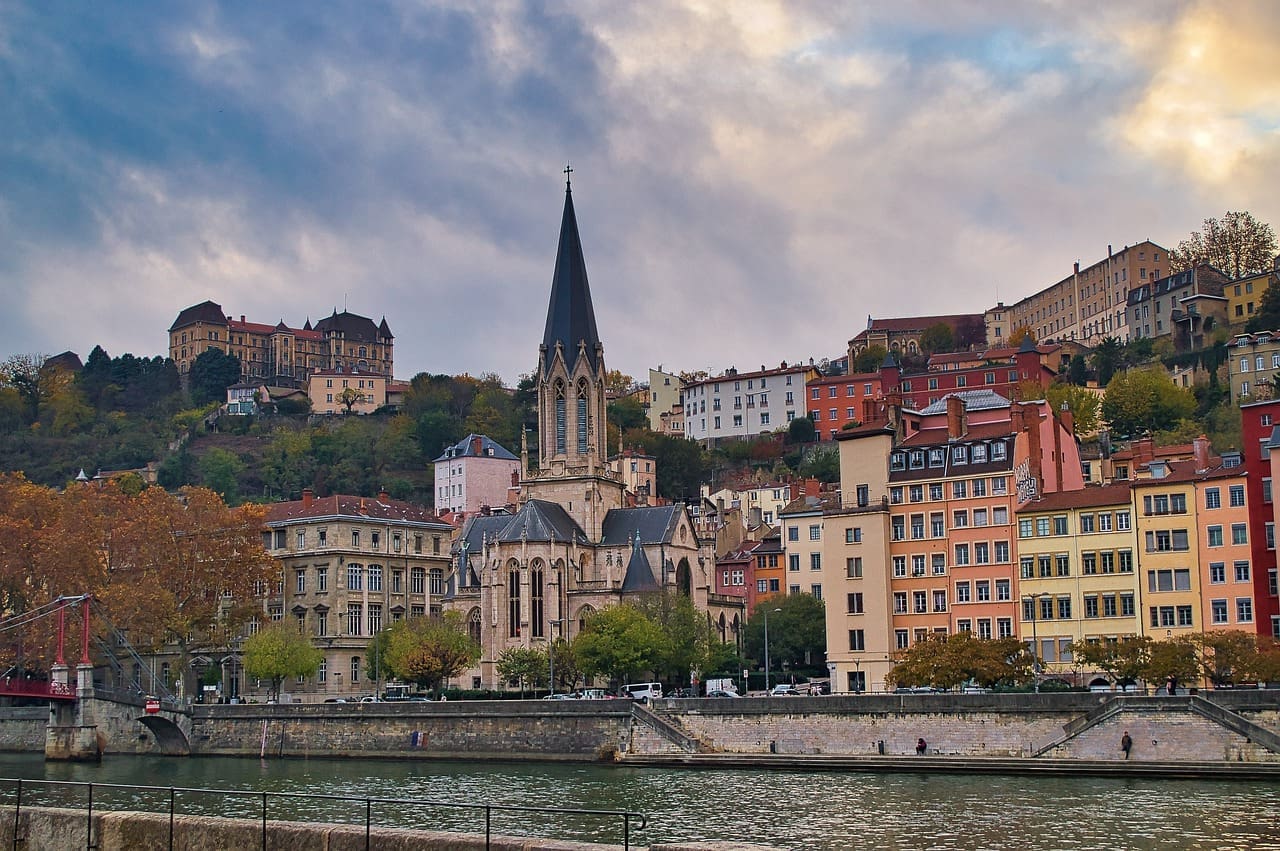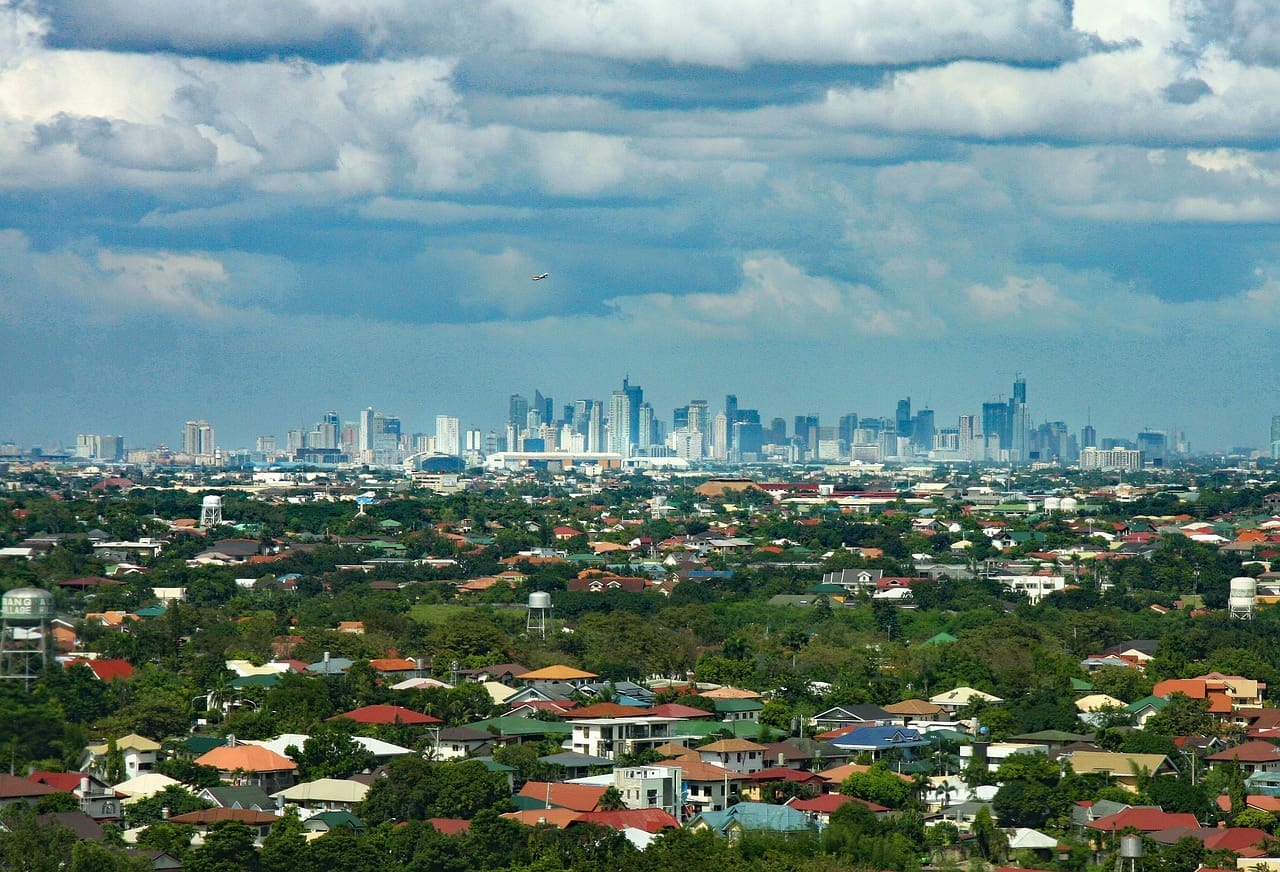

There are many wonderful places to visit when it comes to traveling to South America, but two cities that are usually on the list of potential destinations are Rio de Janeiro and Buenos Aires. In fact, both of these places are annually ranked at or near the top of the list of most visited cities in South America. It shouldn’t be a secret as to why tourists continue to flock to Rio de Janeiro and Buenos Aires each year, both cities are incredibly beautiful, full of energy, and offer a ton of unique experiences that everyone who visits can find enjoyment in.
Whether it’s the allure of Rio’s world-class beaches, nightlife, and gorgeous scenery, or the charm of Buenos Aires‘ European architecture, alluring tree-lined streets, and enchanting culture, deciding between these two can certainly be a challenge if you can only choose one. This article aims to make your decision a little easier by comparing these two cities based on five categories—how much you’ll spend, the ease of getting around, what the nightlife is like, things to do, and the food scene.
Cost
As the second largest city, in the largest, wealthiest country (by GDP) in South America, Rio de Janeiro benefits greatly from the stronger economy of Brazil. Because of this, general goods and services can be more expensive than they are in Buenos Aires, but only slightly. Accommodations, especially near beachside areas like Copacabana and Ipanema, can command high prices, and dining out in these high-traffic areas does often come with a premium. However, there are budget-friendly options available if you’re willing to explore less touristy neighborhoods.
On the other hand, Buenos Aires offers a little more value for your money. The cost of living is lower, which is reflected in the prices of accommodation, dining, and entertainment. You can enjoy a fairly opulent steak dinner at one of the many steakhouses in the city for the same price as a standard meal in Rio. The place you choose to stay in Buenos Aires will most likely not break the bank either, because the overall affordability of the city also extends to its accommodations, including hotels, Airbnbs, and hostels.
Getting Around
Rio de Janeiro offers a diverse selection of public transportation options, including buses, a modern metro system, and a relatively affordable taxi network. The metro is convenient for reaching major attractions, but the city’s layout, dictated by its mountains and coastlines, can make some areas difficult to access without a car or taxi. Rio also has a nearly 400km long (248 miles) network of bike paths, many of which are located alongside its lovely beaches, providing some of the most scenic bike rides in the world. Its Bike Rio bike-sharing system provides a convenient way for tourists to enjoy a bike ride during their trip and is also an affordable option, costing just $5 USD for a 2-day pass.
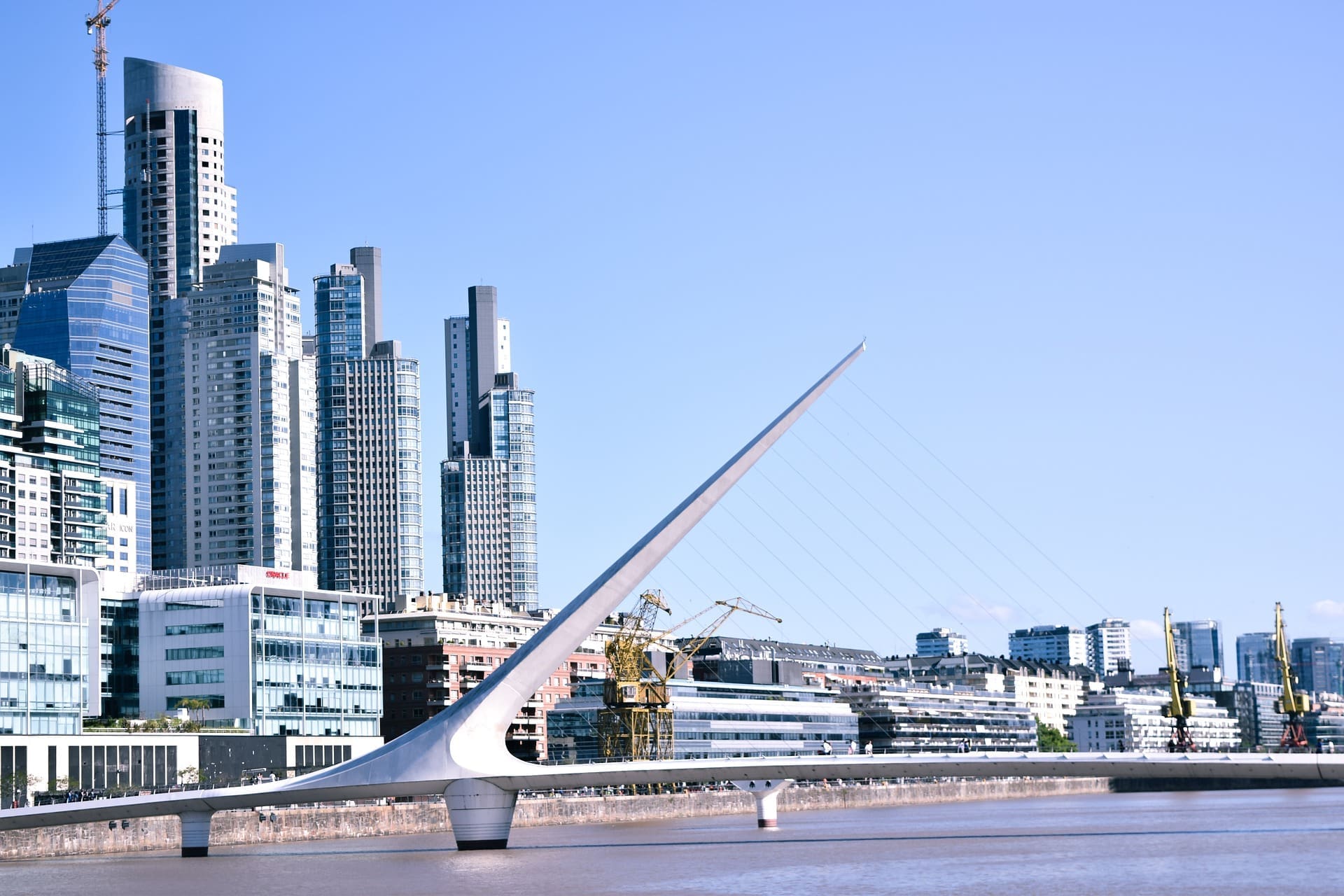
The Subte in Buenos Aires is renowned for its comprehensive and user-friendly layout, and is the oldest underground network in Latin America, with operations beginning in 1913. The city’s flatter landscape and less complicated urban layout make navigation a bit more straightforward. Apart from the Subte, the city also provides other modes of transportation, like buses and taxis that cover virtually every corner of the city.
In 2010, the city introduced a bike-sharing program called Ecobici that now boasts dozens of stations across Buenos Aires. The system is free for residents, but tourist rates to use the system are also inexpensive, costing around $4 USD for a single-day pass. Buenos Aires is shown a commitment to continuing to improve its cycling infrastructure and has added over 250km (155 miles) of protected bike lanes to its city streets.

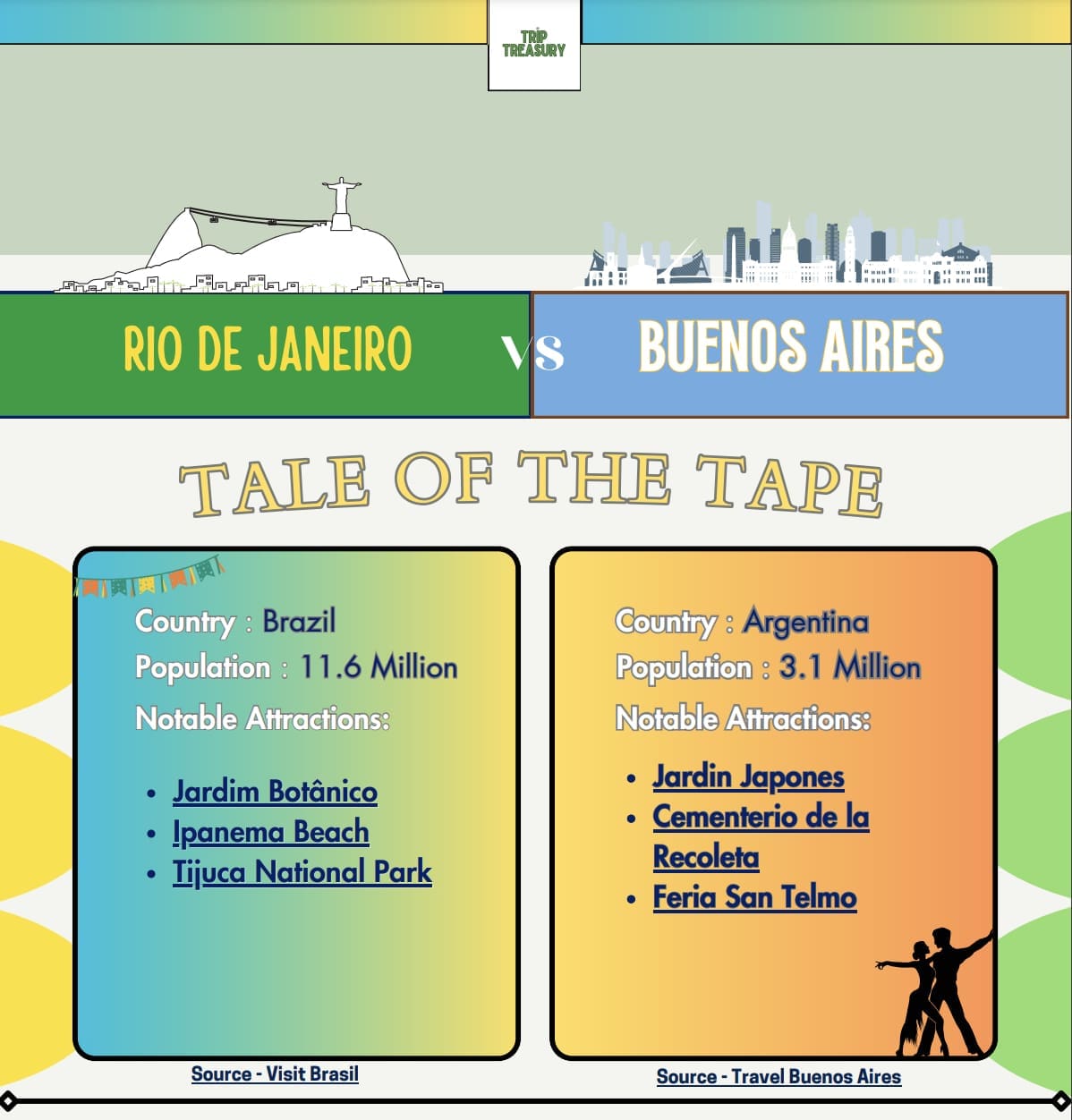
Infographic: Rio de Janeiro vs Buenos Aires
Nightlife
The nightlife in Rio de Janeiro is legendary and caters to all types of night owls. From the beachside bars in Copacabana to the upscale nightclubs in Barra da Tijuca, and the bohemian hangouts in Santa Teresa, Rio offers a ton of options that certainly won’t disappoint anyone who comes to the city looking for a party. The city is also well known for its samba clubs, where locals and tourists all dance until the early hours of the morning.
In Buenos Aires, late nights are ingrained in its cultural fabric, with dinner often starting around 10 PM and clubs not filling up until well after midnight. The tango is the pride and joy of the city and there are countless milongas (tango clubs) where you can either watch or participate in dancing. The trendy Palermo neighborhood is the epicenter of Buenos Aires’ nightlife and is packed with bars, clubs, and live music venues.

Things To Do
If the outdoors is your thing, or you simply have a passion for relaxing on the beach, then Rio de Janeiro is as close to paradise as it gets. The world-famous beaches of Copacabana and Ipanema are perfect for sunbathing, volleyball, surfing, or just people-watching. There are also dozens of less well-known beaches, like Urca Beach, if you prefer to enjoy the warm waters of the southern Atlantic away from the large crowds. Rio also offers many iconic attractions like the Christ the Redeemer statue, Sugarloaf Mountain, the Tijuca National Park, and a ton of hiking trails in and around its city limits. Finally, you can’t discuss things to do in Rio without mentioning Carnival, a bucket-list experience famous for being one of the best parties on the globe.
As the capital of Argentina and one of the most impactful cities in Latin America, Buenos Aires is a cultural hub, and the major tourist attractions in the city reflect this status. Many of the top museums, art galleries, and historical sites are found in Buenos Aires including the Museo de Arte Latinoamericano de Buenos Aires (MALBA), the Buenos Aires Museum of Modern Art (MAMBA), and the Museo Nacional de Bellas Artes. The city’s European-style architecture, including the majestic Teatro Colón and the historic Plaza de Mayo, is an attraction in its own right, providing visitors with a glimpse into Argentina’s history through its European influence. As previously mentioned, Buenos Aires is the birthplace of tango, and it’s not uncommon to run into a spontaneous performance just walking down the street.

Food
Rio de Janeiro has a wonderful culinary scene, with its proximity to the ocean providing an abundance of fresh seafood. Traditional Brazilian dishes such as feijoada and açaí are widely available, and the city’s numerous juice bars and beachside kiosks offer dishes that are both delicious and healthy. However, while diversity does exist here, Rio’s food scene is more focused on traditional Brazilian cuisine rather than the international selection of cuisines that you would expect in similarly sized cities.
In Buenos Aires, food is another very important aspect of the city’s culture. The city is a must-visit for those who consider themselves to be foodies, especially for fans of thick slabs of steak or traditional Italian cuisine. The steakhouses or parrillas of Buenos Aires serve some of the best cuts of beef in the world, and no shortage of them can be found throughout the city.
The Italian and Spanish immigrants that migrated to Buenos Aires have also left a strong influence on its cuisine as well, and this can be seen via the many pizza, pasta, and tapas restaurants found in virtually every barrio. Café and wine culture is also very strong here, with hundreds of charming cafés prominent in every neighborhood. If you’re a wine lover then you’ll be happy to know, or you may know already, that wine is a staple of society in Buenos Aires too, with many shops, cornerstones, and restaurants serving a variety of wines including Argentinian Malbec.

Our Decision
At the end of the day, the choice between Rio de Janeiro and Buenos Aires is simply just a matter of personal preference, that depends on what you value most in a travel destination. While these two cities do share many similarities, they are also vastly different and offer unique experiences that can’t be easily duplicated. If you’re drawn to breathtaking natural landscapes, outdoor activities, and beach culture, then Rio de Janeiro may be the perfect choice for you. Its scenic beauty, combined with its exhilarating atmosphere is unparalleled.
However, if you’re a person who wants to be immersed in the culture of a city and enjoys an energetic but slightly more laid-back vibe, then Buenos Aires might be more up your alley. The city’s European charm, culinary prominence, and cultural institutions all contribute to its perennial status as one of the most visited cities in South America.
For us, Buenos Aires edges out as the better city to visit by just a hair, because of its cultural experiences, ease of getting around, and value. However, both cities are jewels of not only South America, but the world, so you can’t go wrong by adding both to your travel bucket list.