When many people imagine urban parks, images of famous green spaces like New York’s Central Park or Hyde Park in London are usually some of the first to come to mind. These great city parks are no doubt iconic, but when their sizes are compared to some of the world’s largest urban parks, they don’t even scratch the surface.
Many cities have nearby parks that encompass mountains, wetlands, lakes, and forests. These mega-parks serve as both natural escapes for residents, and as ecological havens that protect biodiversity and act as natural buffers against ever encroaching urban development.
In this article, we’ll talk about the six largest urban green spaces that challenge the very definition of what it means to be a city park.
SIX
Forest of Rambouillet
Facts and Figures
City – Paris
Park Area – 77 sq mi (200 km2)
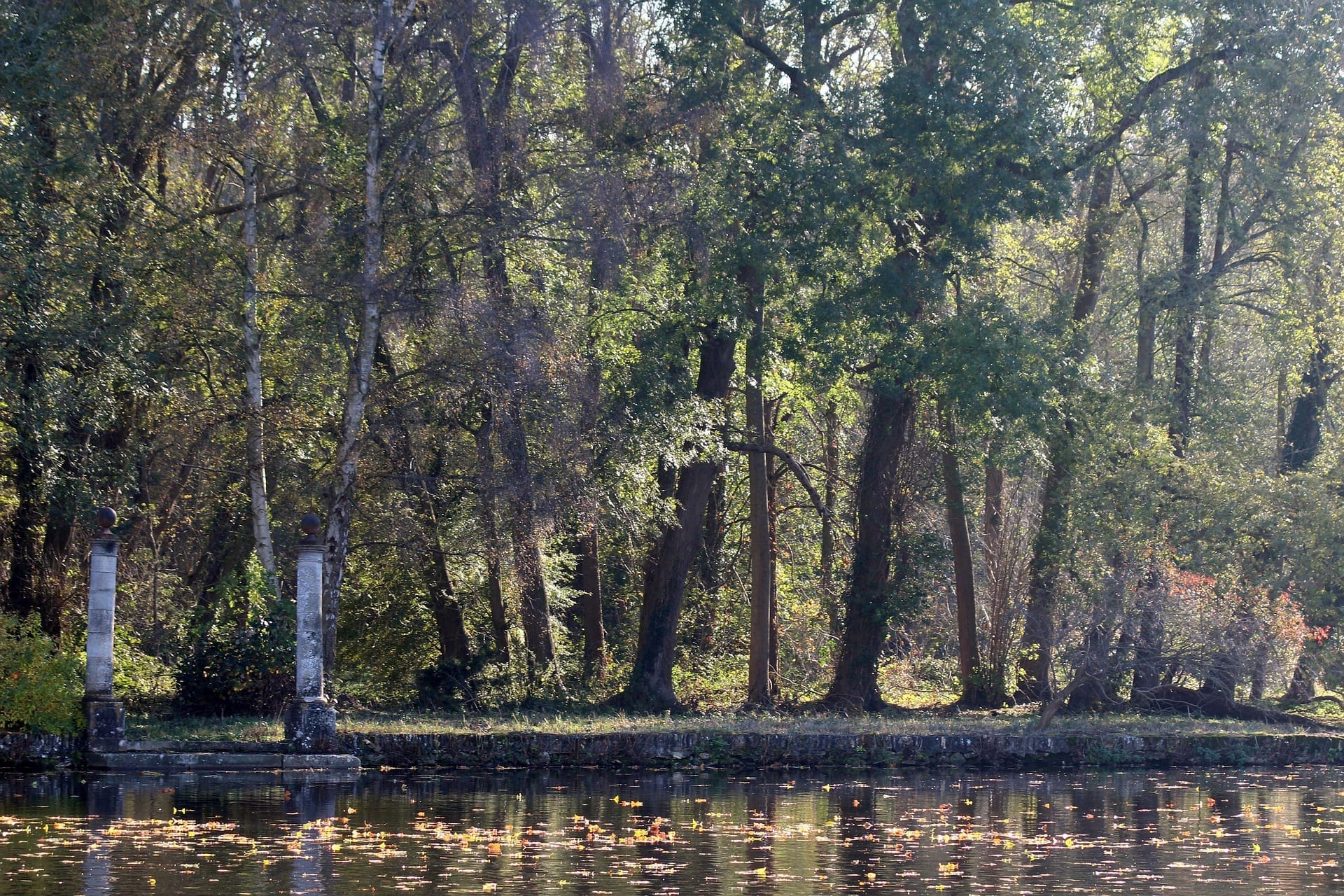
Thirty five miles southwest of Paris lies the Forest of Rambouillet, a 77 square mile parcel of woodland forest. What it lacks in the sheer scale of some of this list’s other parks, it more than makes up for with its accessibility and proximity to both city and wilderness.
Rambouillet is a sanctuary for many Parisians. Its land is threaded with tree-lined trails for hiking, horseback riding, and cycling. The park’s animal inhabitants include stags, wild boars, and a countless number of bird species. Rambouillet’s environment feels raw and ancient, making it seem more like a preserved wilderness rather than a designed landscape.
FIVE
Table Mountain National Park
Facts and Figures
City – Cape Town, South Africa
Park Area – 85 sq mi (221 km2)
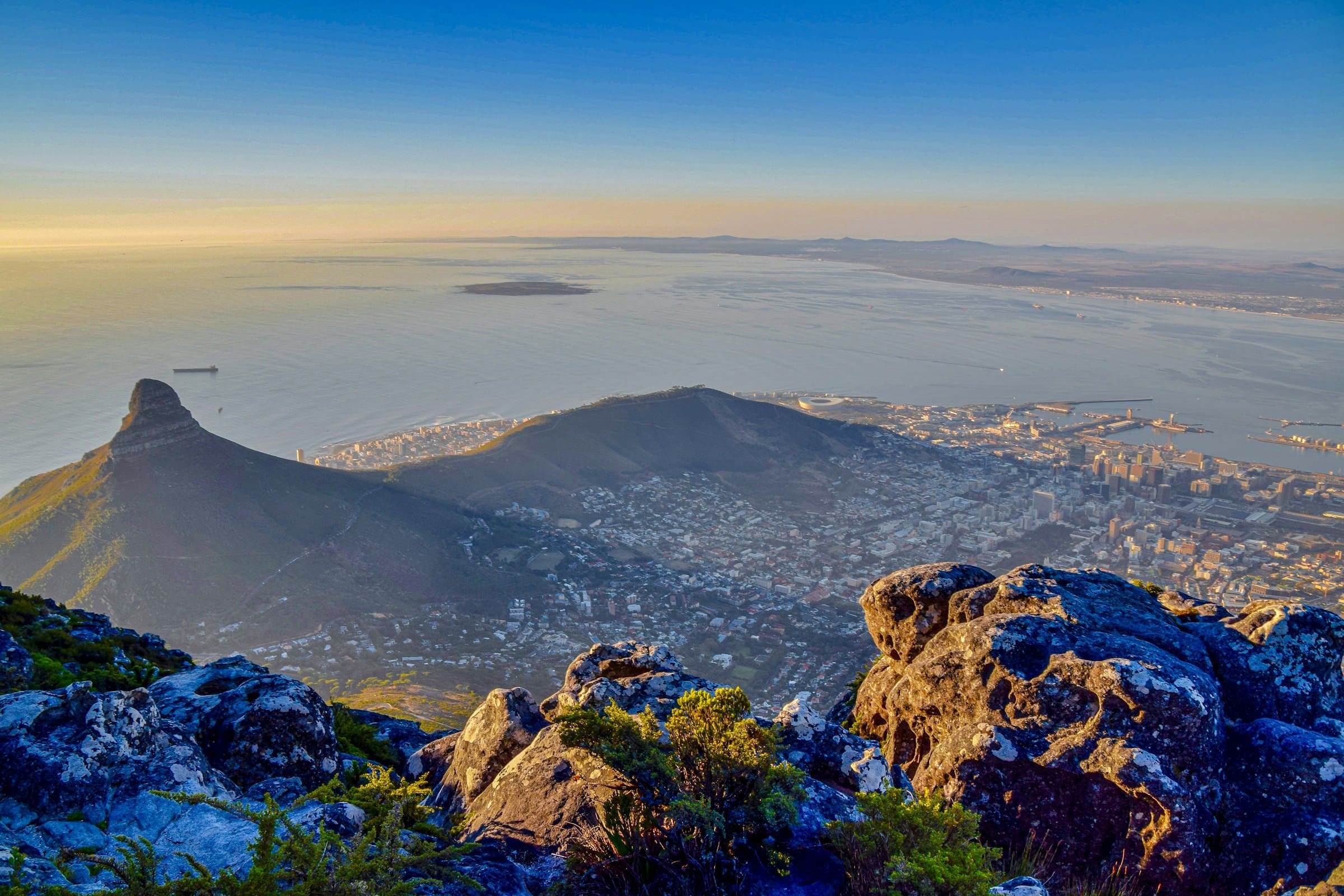
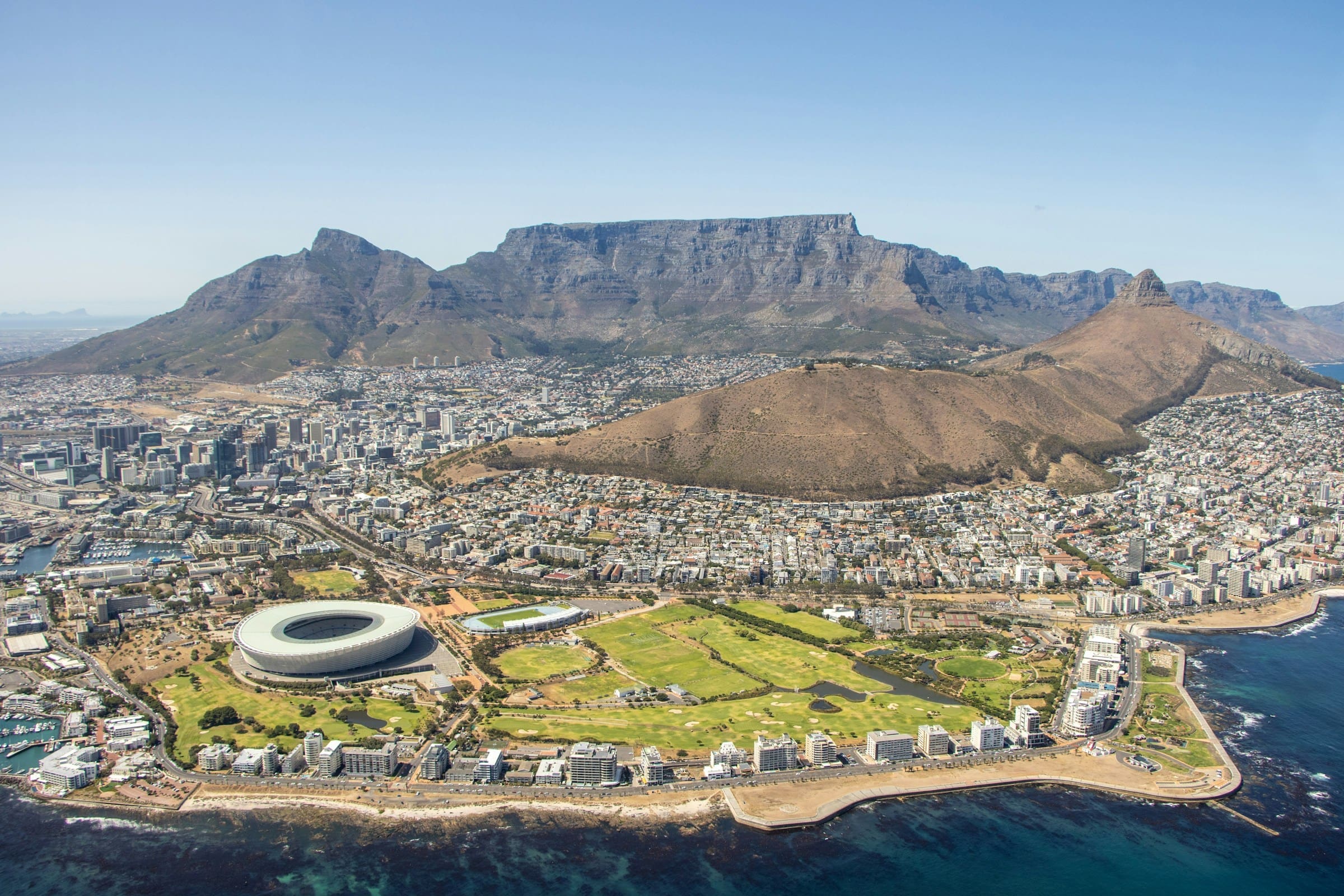
Cape Town has one of the world’s most aesthetically pleasing natural settings, and a large part of that designation can be credited to Table Mountain National Park. With an area of 85 square miles, the park dominates the city’s geography, and the flat-topped Table Mountain is its dramatic centerpiece.
This park’s layout is somewhat unusual because it weaves through Cape Town’s urban space. In many neighborhoods, you can walk from city streets, directly into the surrounding wilderness of cliffs, beaches, and various species of flora and fauna. The park is also a part of the Cape Floristic Region, one of the richest areas of plant diversity on Earth.
More From TripTreasury: North America’s Five Largest Megalopolises
FOUR
Forest of Fontainebleau
Facts and Figures
City – Paris, France
Park Area – 97 sq mi (250 km2)
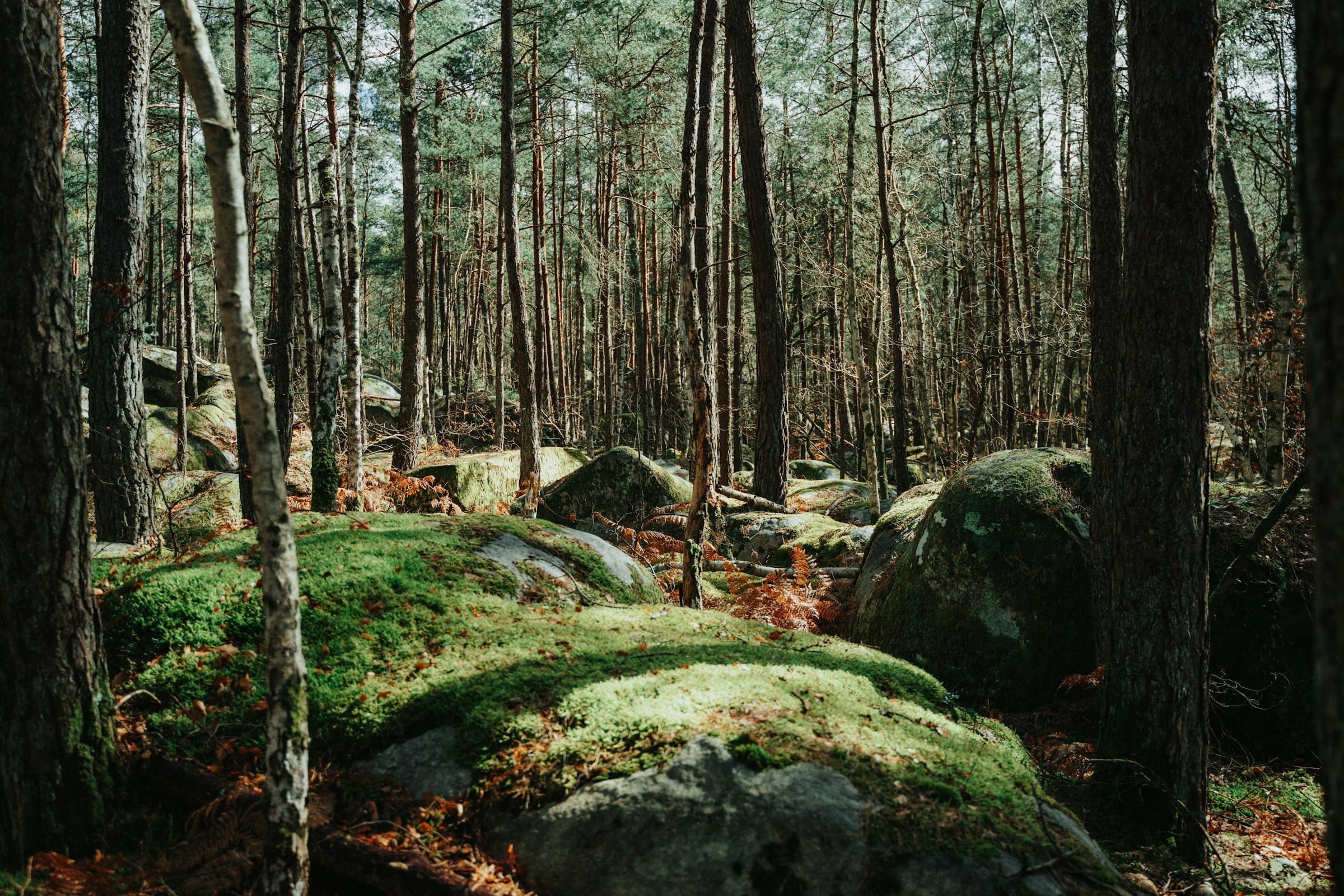
Another Parisian green getaway on the list is the Forest of Fontainebleau. This large park, located just under 40 miles from Paris, covers more than 97 square miles of oak forest.
The Forest of Fontainebleau has been an inspiration for artists for centuries. The Barbizon School of painters used the park’s landscapes as a natural studio during the 19th century. The forest setting also inspired the eventual creation of Impressionism. Many great writers and celebrated thinkers such as Victor Hugo and George Sand also used Fontainebleau’s serenity to breed ideas. Aside from being a natural muse, the park is also a destination for climbers from around the world, who make the trek to scale its massive sandstone boulders.
THREE
Gatineau Park
Facts and Figures
City – Ottawa, Canada
Park Area – 139 sq mi (361 km2)
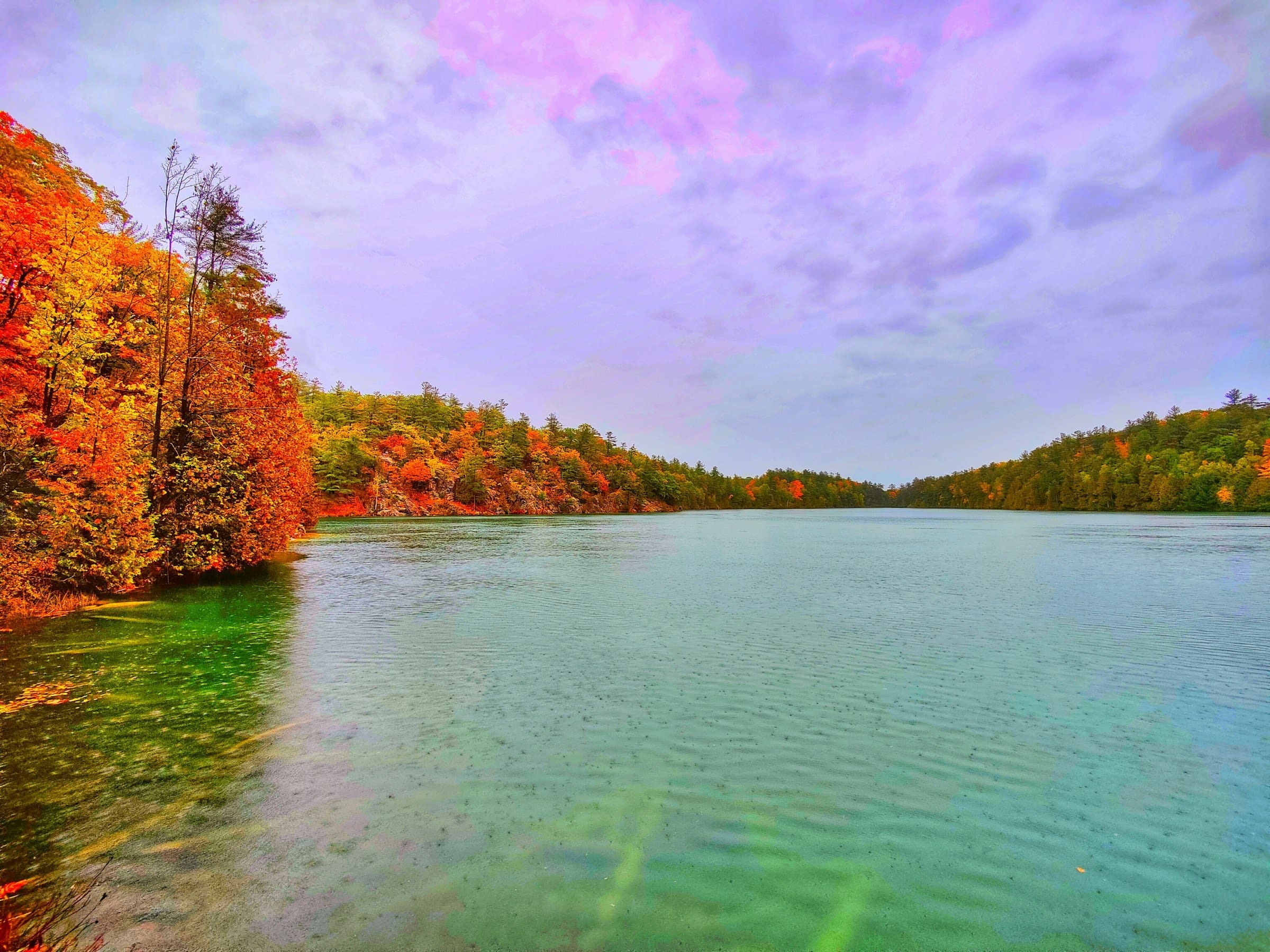
On the Quebec side of Canada’s National Capital Region, lies Gatineau Park, a 140-square-mile nature reserve covered in lakes, forests, and rolling hills. Gatineau Park is one of the best outdoor recreation areas in Eastern Canada, where locals and visitors can find ample opportunity to partake in activities such as canoeing, hiking, cross-country skiing, and cycling. The park’s proximity to the Ottawa region makes going from the city to forest trails especially easy.
TWO
Taijiang National Park
Facts and Figures
City – Tainan, Taiwan
Park Area – 152 sq mi (393 km2)
Taijiang National Park in Tainan, Taiwan, is an almost 500 square mile wetland area that contains a mosaic of lagoons, mangroves, and tidal flats right on the edge of Taijiang’s streets.
The park is a crucial habitat for migratory birds, and every winter, rare avian species like black-faced spoonbills make a stop in Taijiang. The wetlands also nurture other diverse ecosystems, including fish and crabs.

ONE
Chugach State Park
Facts and Figures
City – Tainan, Taiwan
Park Area – 152 sq mi (393 km2)
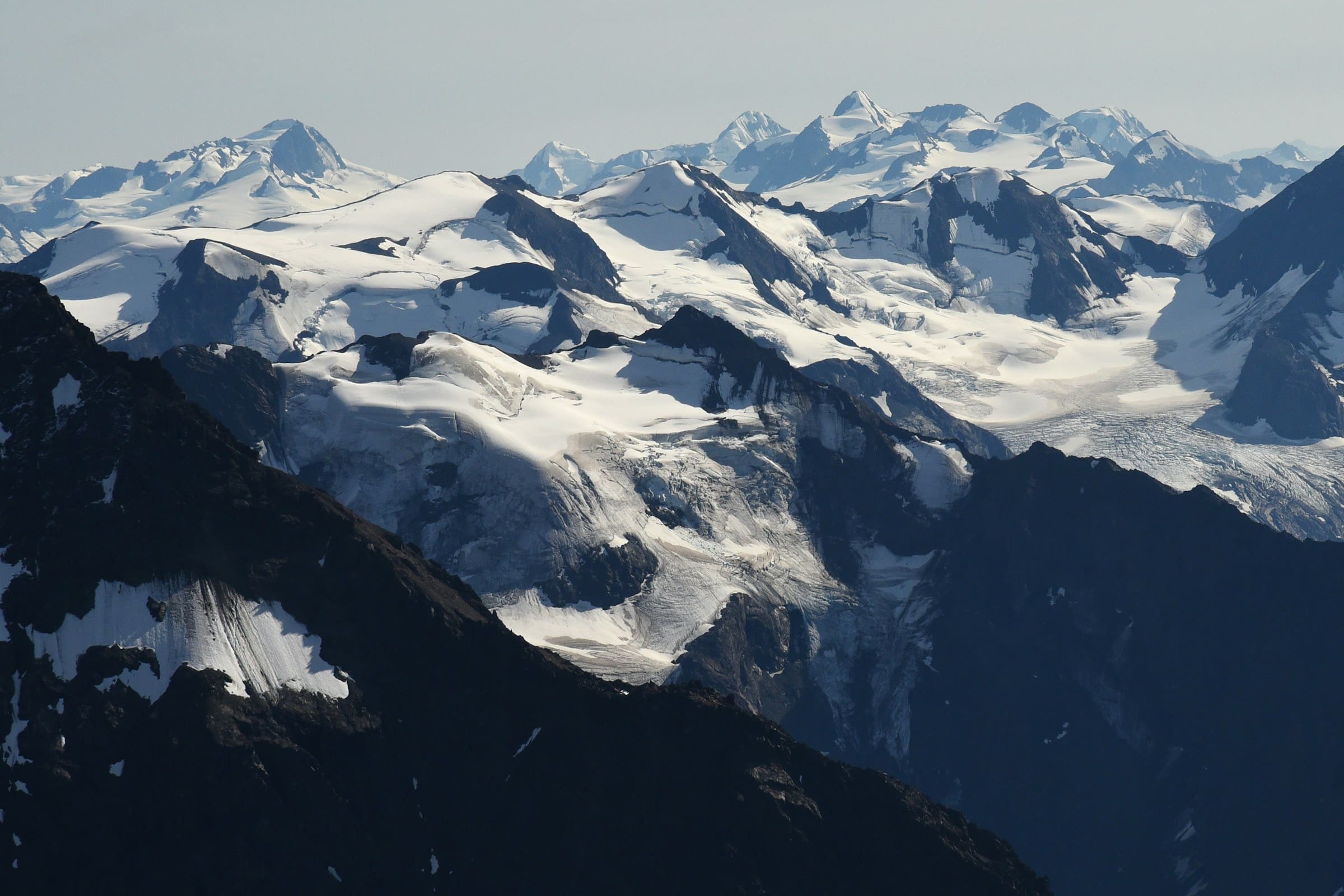
The largest park on our list is Chugach State Park, an incredibly vast wilderness located just outside of Anchorage, Alaska. Chugach covers nearly 800 square miles, easily larger than the other parks on this list combined.
Within Chugach, you’ll find many magnificent examples of nature’s power including glaciers, alpine ridges, boreal forests, and rugged rivers. The animal species that call this park home include moose, bears, lynx, and eagles.
Chugach offers its visitors a taste of the Alaskan outdoors without the need to travel too far from civilization. Taking in sweeping views of Anchorage and Cook Inlet from the top of Flattop Mountain, paddling glacial lakes, or skiing world-class backcountry terrain are just a few of the many outdoor activities possible in this massive natural refuge.