Cities are the engines of modern economies, and are the major source of both financial and cultural activity of the regions they represent. Some cities are outsized in their contribution to their countries economies, and thus, are important on an international level as well.
In this article, we rank ten such cities that have the highest GDPs amongst their counterparts, using data from the Global Financial Centre Index, and other sources. GDP, or gross domestic product, is defined as the total value of all economic production of a region, over a specified time period.
It’s important to note that GDP may be an indicator of wealth, but it alone doesn’t tell the entire story of a city’s prosperity, equity or livability. So while it does provide a good look into the scale of a city’s economy, it does not guarantee widespread wealth or a great everyday experience for all residents.
Ten
Dallas-Fort Worth, United States
Facts and Figures
Population – 7.6 million
GDP – $744.6 billion
The Dallas–Fort Worth metroplex, often called DFW, is one of North America’s largest economic engines, and boasts an estimated GDP of close to $745 billion.
Over the past few decades, the Dallas area has become a magnet for corporate relocations and headquarters, with major corporations in industries such as telecommunications, energy, defense, finance, and logistics, having established a presence in the city. Its central location has contributed to its economic viability, and has made it one of the most important transportation and distribution hubs in the United States, anchored by Dallas-Fort Worth International Airport, one of the planet’s busiest.
While economic expansion has fueled the expansion of suburbs and job growth in Dallas, it has also driven housing affordability challenges, infrastructure strain, and sprawl that reshapes daily life in the area.

Nine
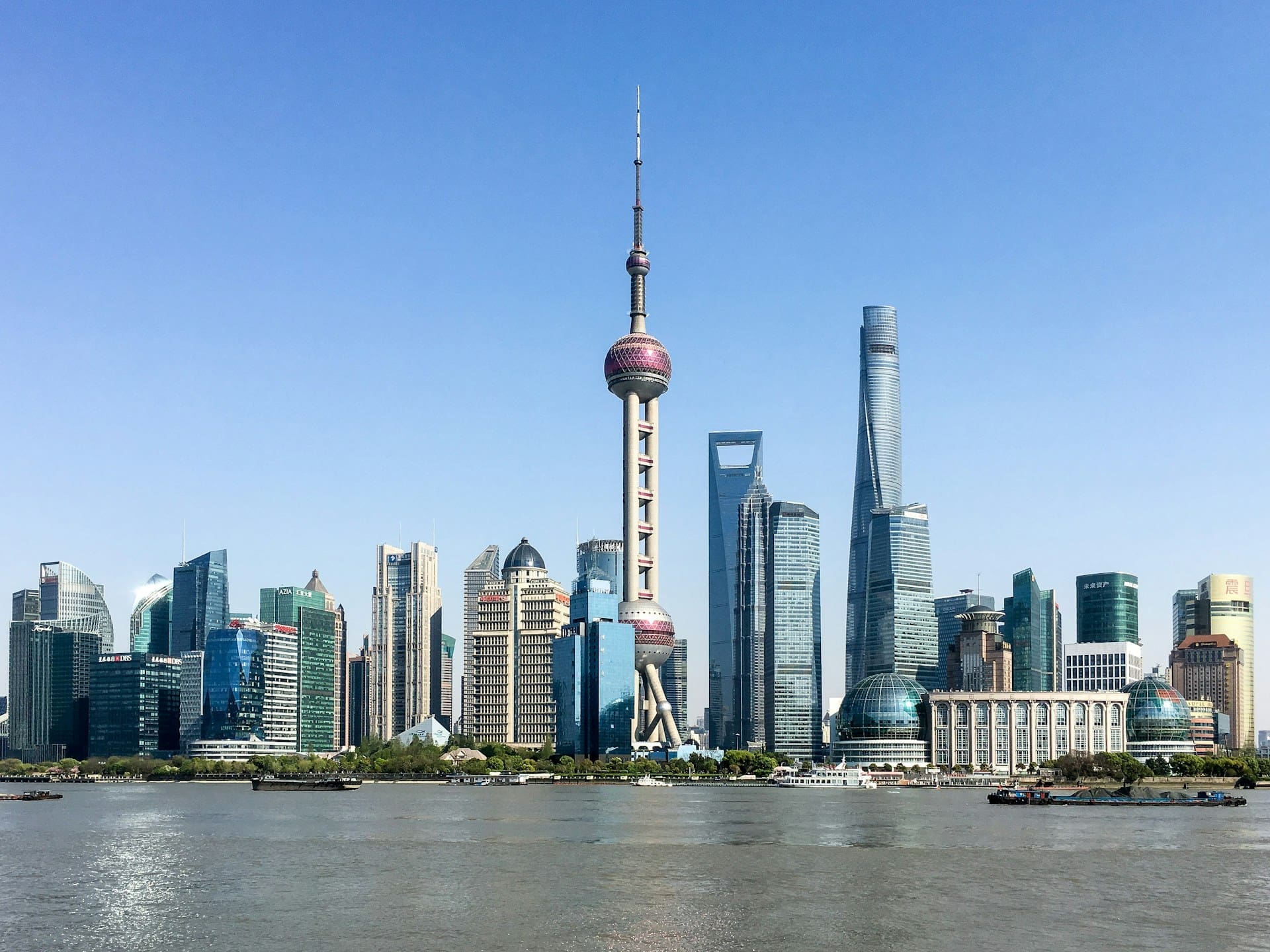
Shanghai, China
Facts and Figures
Population – 24.8 million
GDP – $757 billion
Shanghai is China’s most powerful economic region, and is also one of southeast Asia’s most important financial centers. stands as a pillar of China’s global urban network. This mega city’s GDP of $757 billion is primarily boosted by its world class finance and manufacturing industries.
Shanghai’s high GDP does come with challenges, however. Income inequality still persists, and the cost of living in many of its central zones can be prohibitive for many of its citizens. The migrant workers who act as the backbone for much of the city’s manufacturing output, often face precarious conditions as well.
More From TripTreasury: Europe’s 5 Busiest Metro Stations, Compared
Eight
London, United Kingdom
Facts and Figures
Population – 15.1 million
GDP – $809 billion
Number eight on our list is London, with an estimated GDP of more than $800 billion.
London is a global financial center, and is one of Europe’s most important cultural and economic hubs. Once an important global manufacturing center, London has made the shift over the years to becoming a primarily service based economy, with service related industries employing around 85% of the core city’s population.
As London’s economic prowess grew, so did its economic inequality. It is frequently ranked within the top 10 list of global cities with the highest cost of living, and although steps have been taken to alleviate some of the strain on its citizens, this unfortunate distinction continues to rise.

Seven
Chicago, United States
Facts and Figures
Population – 9.8 million
GDP – $919 billion
Often overshadowed by its sister cities New York and Los Angeles, Chicago is still among the world’s biggest economic centers, boasting a GDP of nearly $920 billion.
Chicago may be known for its architectural history and contributions to the arts scene, but from an economic standpoint, the city is a major center of highly diversified industries such as finance, manufacturing, transport and logistics corridors, and tech.
However, like many other American cities, Chicago also grapples with an ever-increasing income gap, aging infrastructure, and other issues common to large metropolitan areas within the United States.

Six
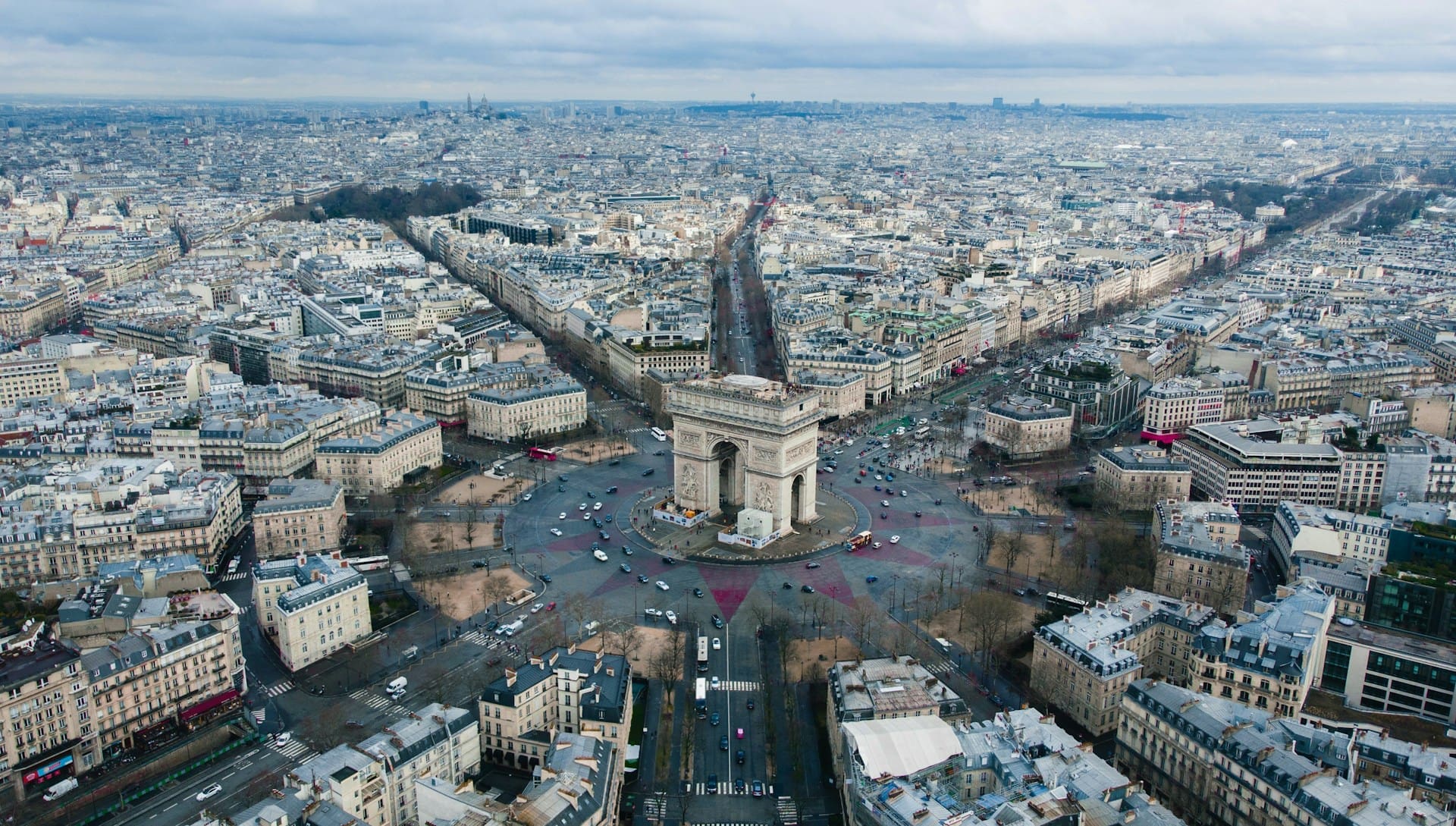
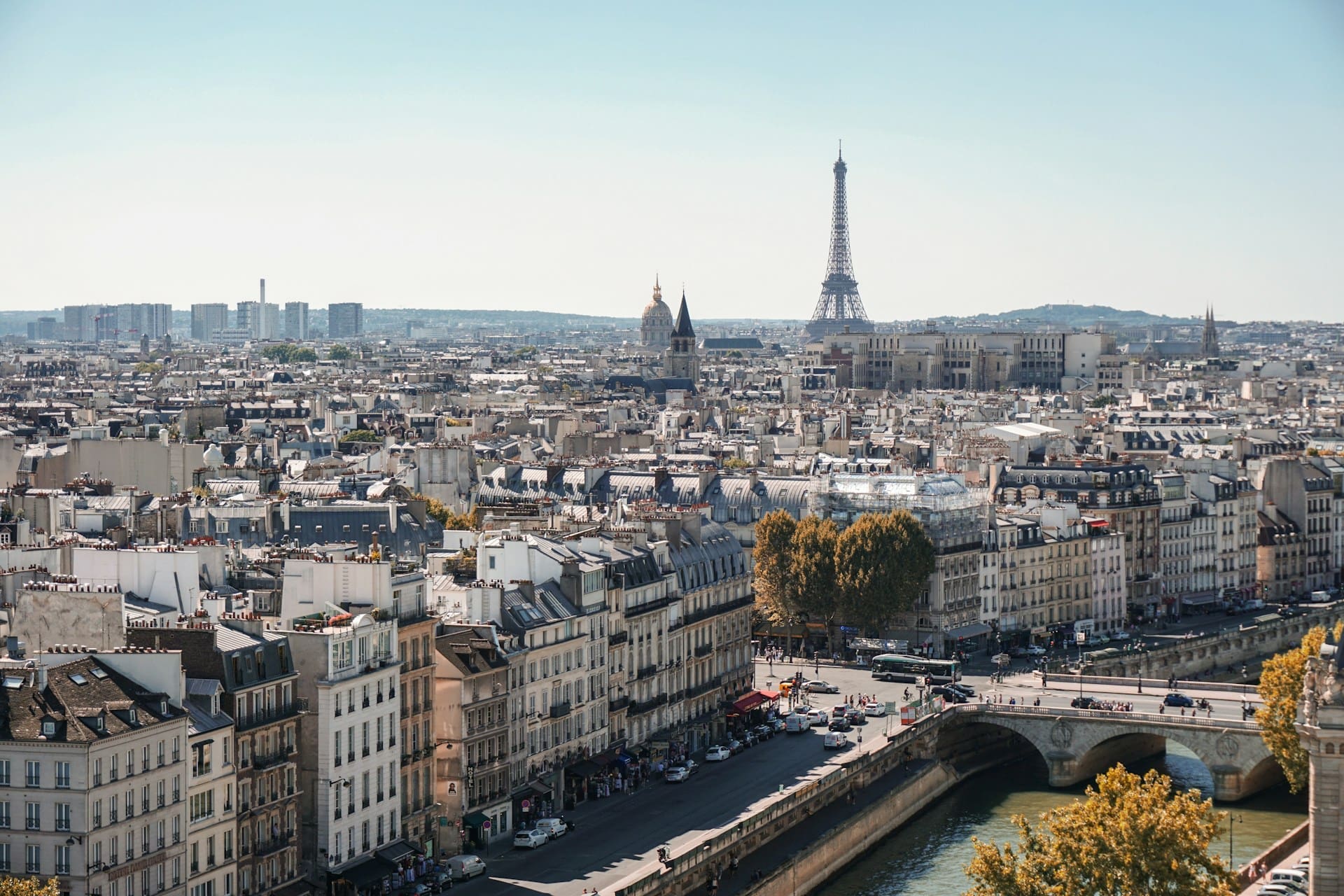
Paris, France
Facts and Figures
Population – 13.1 million
GDP – $930 billion
The Paris metropolitan area boasts Europe’s largest economy, with an estimated GDP of around $930 billion.
Beyond the city’s world famous cultural output, the economy of Paris is driven by luxury goods, finance and government services.
Paris, and France overall, has also been plagued by the negatives of unequal economies. Crowded housing markets, and the gradual financial decline of many of its social programs are both frequent causes of social unrest across the region.
Five
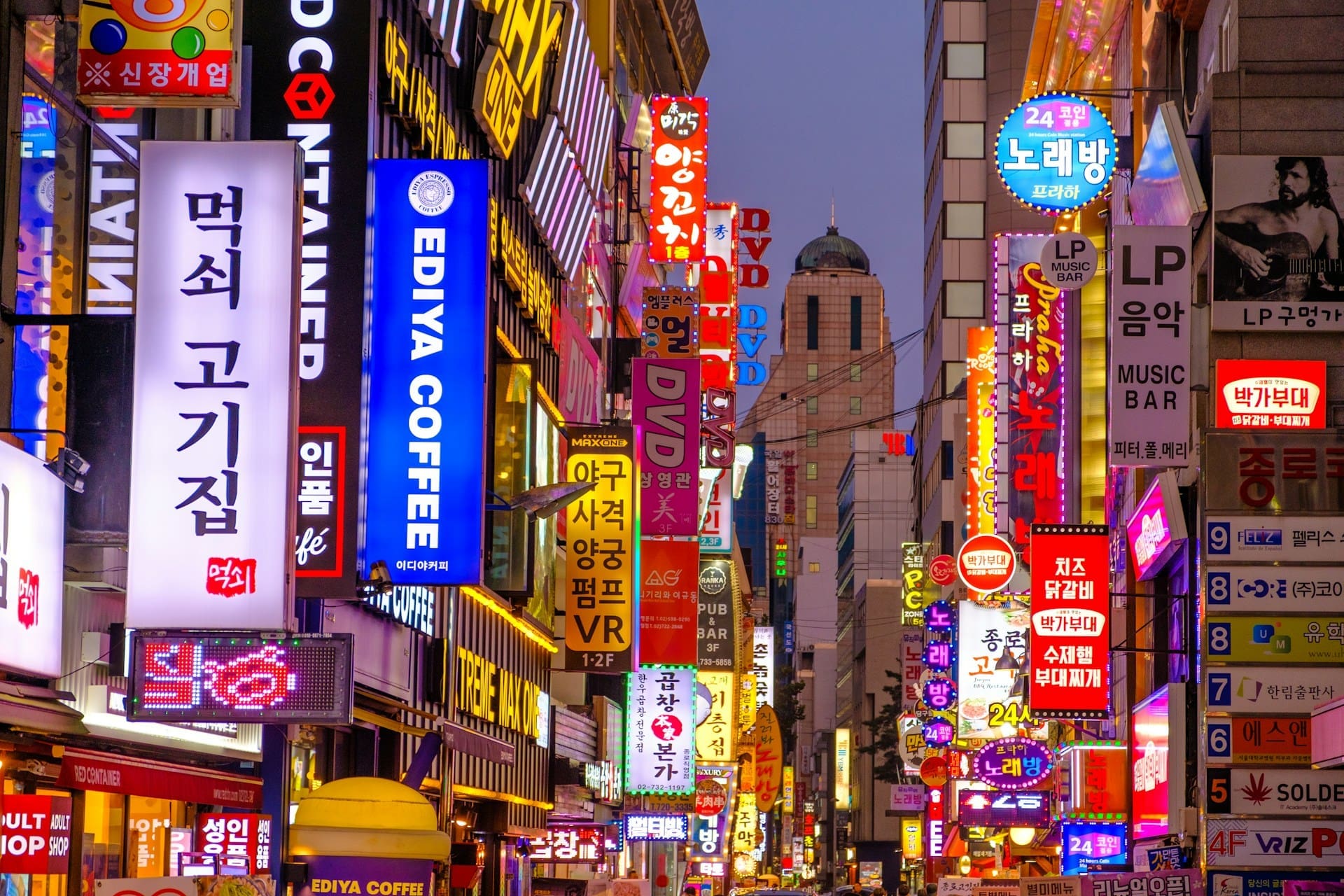
Seoul, South Korea
Facts and Figures
Population – 26 million
GDP – $1 trillion
Asia’s 2nd largest metropolitan GDP is found in Seoul. The South Korean capital’s ee water gdp of more than $1 trillion is powered by its global tech industries, along with its human capital.
In recent years, the highly advanced Seoul has become a global cultural hub as well, with K-pop and Korean cuisine becoming increasingly popular worldwide.
Despite its large GDP, Seoul still faces challenges in terms of housing affordability, youth employment pressures, and higher than average levels of working hours.
Four
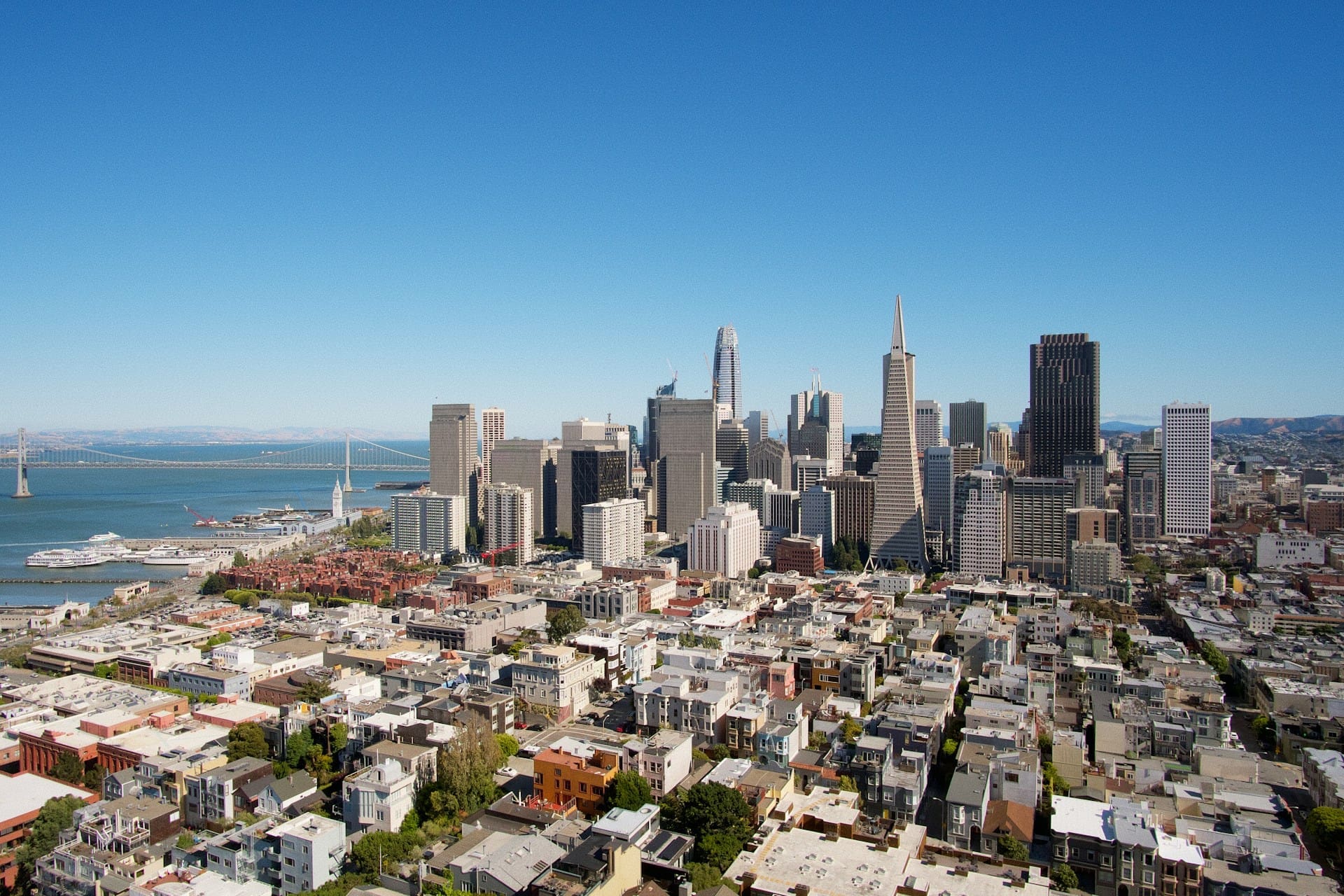
San Francisco Bay Area, United States
Facts and Figures
Population – 7.7 million
GDP – $1.1 trillion
The San Francisco Bay Area stands in a league of its own, in terms of it being the one of the world’s foremost destinations of major tech firms. This distinction has made it one of the most economically powerful urban regions in the world, with a GDP of nearly $1.1 trillion.
Within the tech industry, San Francisco is a global magnet for talent and capital. Few places have reshaped communication and the modern work environment as much as the Bay Area has over the past three decades.
However, the Bay Area is perhaps the clearest example of how massive economic output does not automatically mean widespread prosperity. Despite its immense GDP, the city and region struggle with extreme housing costs, highly visible homelessness, and stark inequality between tech wealth and the long-standing communities that have called the area home for many years.
San Francisco may be a city of extraordinary innovation and opportunity, but it also provides one of the clearest case studies of how GDP can mask the true experience of a region’s financial wellbeing.
Three
Los Angeles, United States
Facts and Figures
Population – 18.3 million
GDP – $1.6 trillion
Los Angeles is the third largest regional economy on earth, and the second largest in the United States, producing an economic output valued at nearly $1.6 trillion.
Along with being one of the world’s most famous hubs of the creative industry, Los Angeles’ economy also leverages industries in the aerospace, tech, and shipping logistics fields.
Like its in-state sister city San Francisco, Los Angeles also faces social issues like severe homelessness, affordability, and overall income inequality. This is compounded by the the city’s sprawling geography, that creates other issues related to transportation challenges and the availability of water.

Two
Tokyo, Japan
Facts and Figures
Population – 38.1 million
GDP – $2.1 trillion
At number two on our list, is the mega city, that is the Tokyo metropolitan area. Most estimates place the city’s GDP close to $2.1 trillion dollars.
Calling Tokyo vast is an understatement. The city has a population that is close to the entire state of California, but has managed to provide one of the most efficient and liveable urban experiences in the world. The success of Tokyo can be at least partly attributed to its world class innovation in urban planning, and its reliance on technology to solve modern urban challenges.
In terms of its economy, Tokyo has made itself the top commercial hub in southeast Asia, by becoming a global center for finance, manufacturing, tech, and many other industries.
Japan’s cultural fabric has alleviated many of the problems that face other global cities, still, it is not without its own issues. Domestic problems such as stagnant population growth, and currency deflation, are likely to turn into major social and economic challenges in the near future, if not addressed.

One
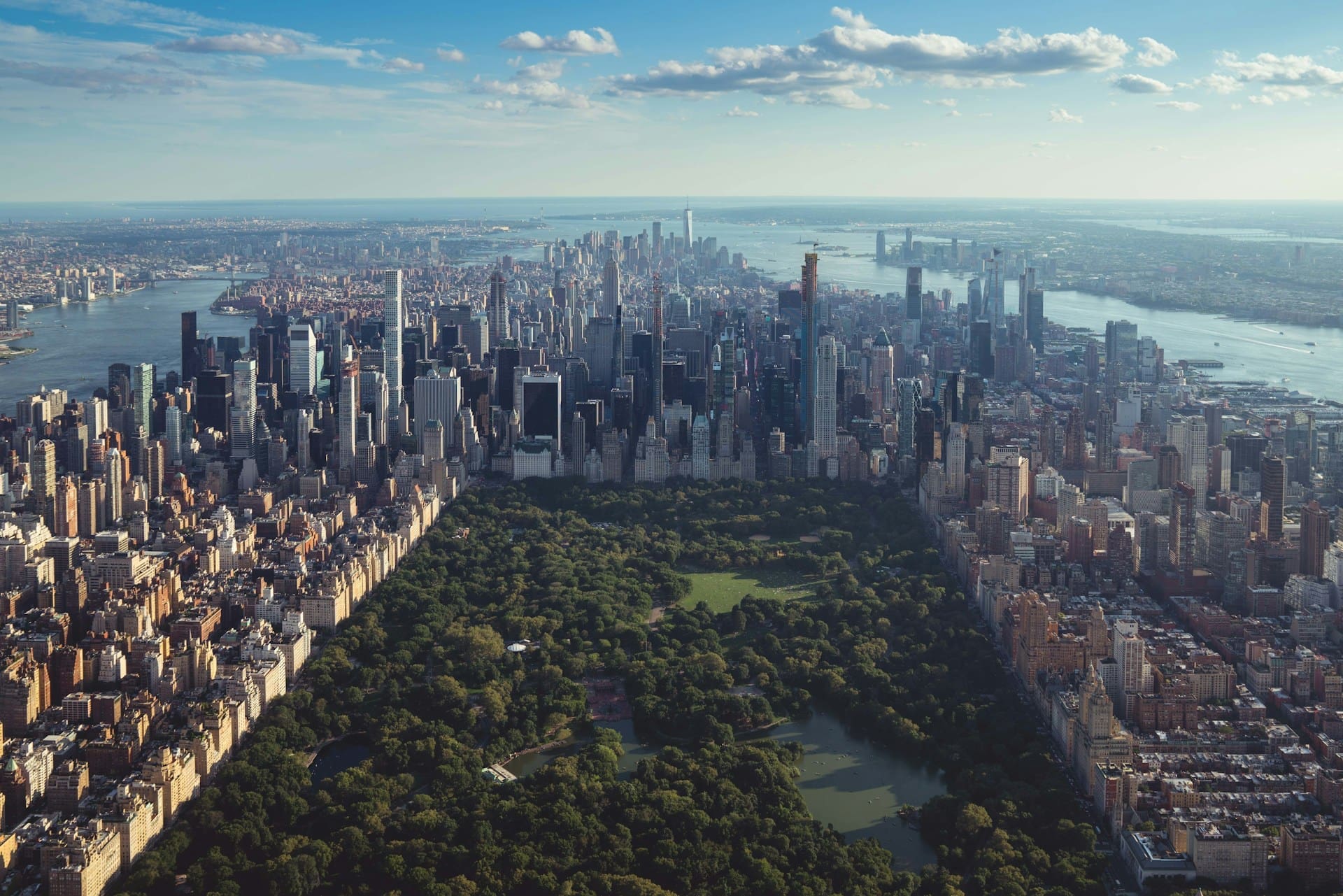
New York City, United States
Facts and Figures
Population – 19.4 million
GDP – $2.6 trillion
New York City is frequently cited as one of the most powerful city economies in the world, and is top of the list of world’s largest regional economies, with a GDP that touches $2.6 trillion.
New York City is the poster-child of economic diversification, with international conglomerates in nearly every industry having a presence in the city, including finance, media, fashion, tech, and entertainment.
However, New York is also found near the top of the list of cities with the highest cost of living in the world. Extreme socio-economic gaps, increased levels of national inflation, and lack of housing, has contributed to the infamous unaffordability levels affecting the city.